MARTIN DÉSILETS • MATIÈRE NOIRE
OPENING: THURSDAY 29 JANUARY 2026 (6PM-9PM)
EXHIBITION FROM 29 JANUARY TO 7 MARCH 2026
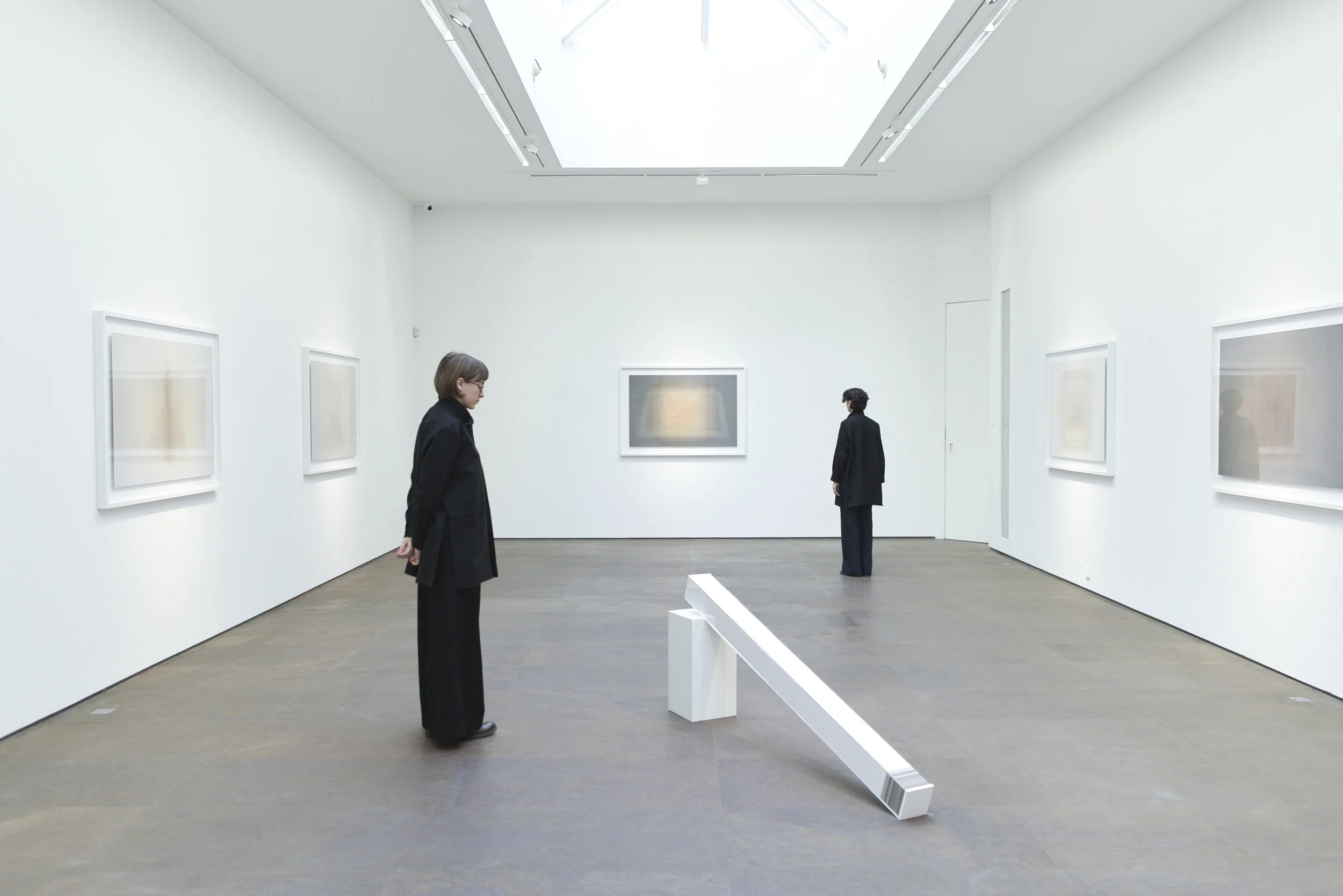
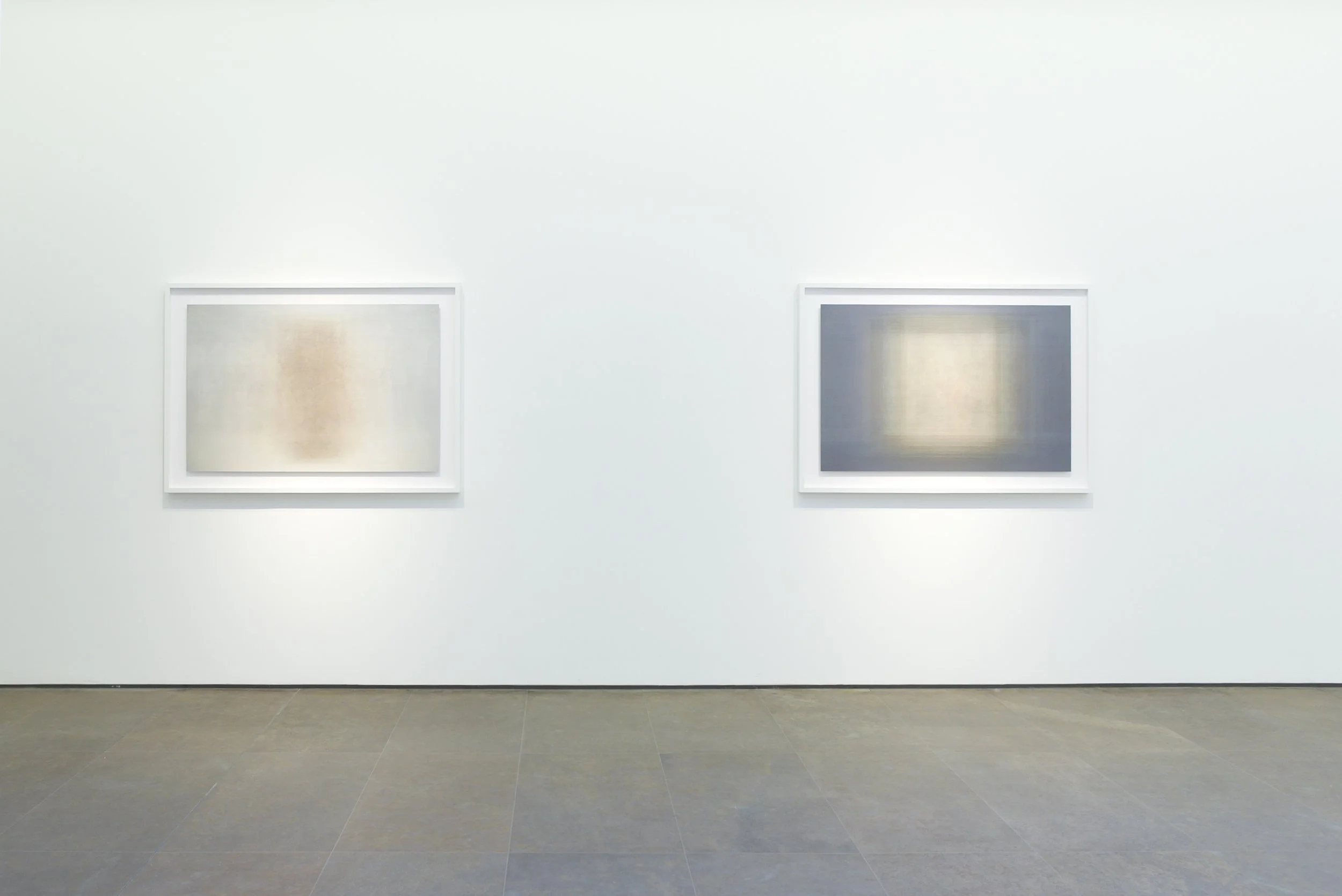
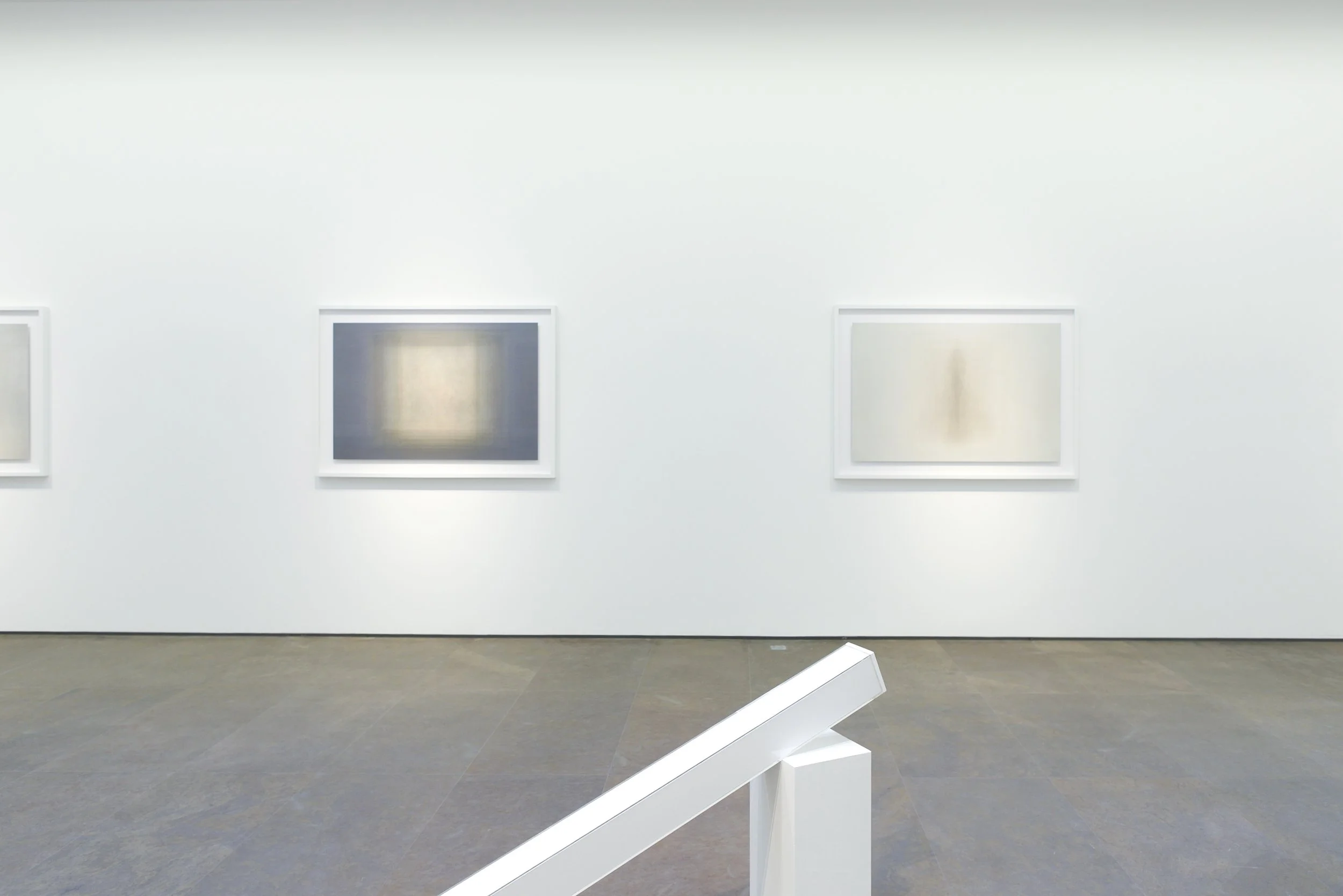
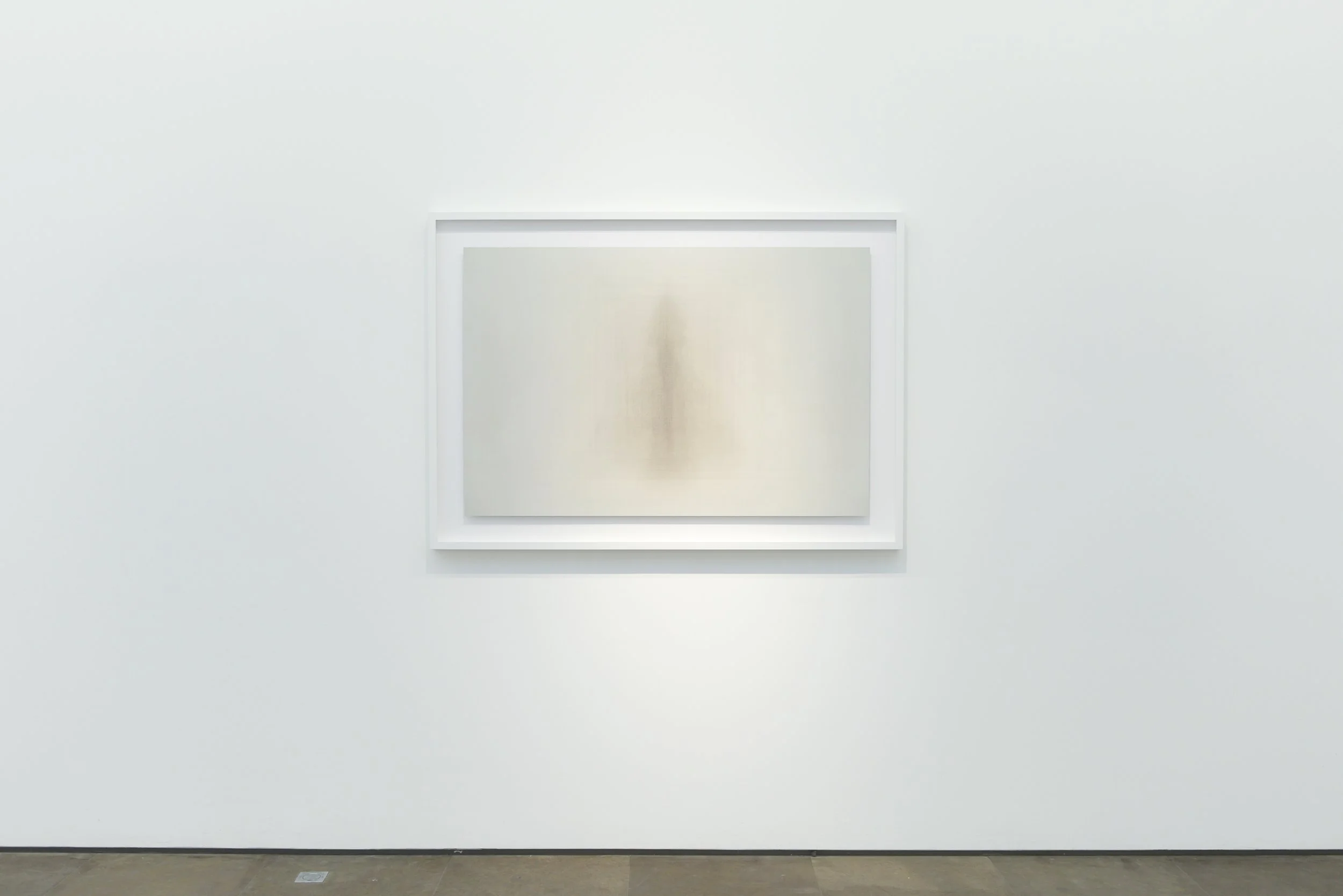
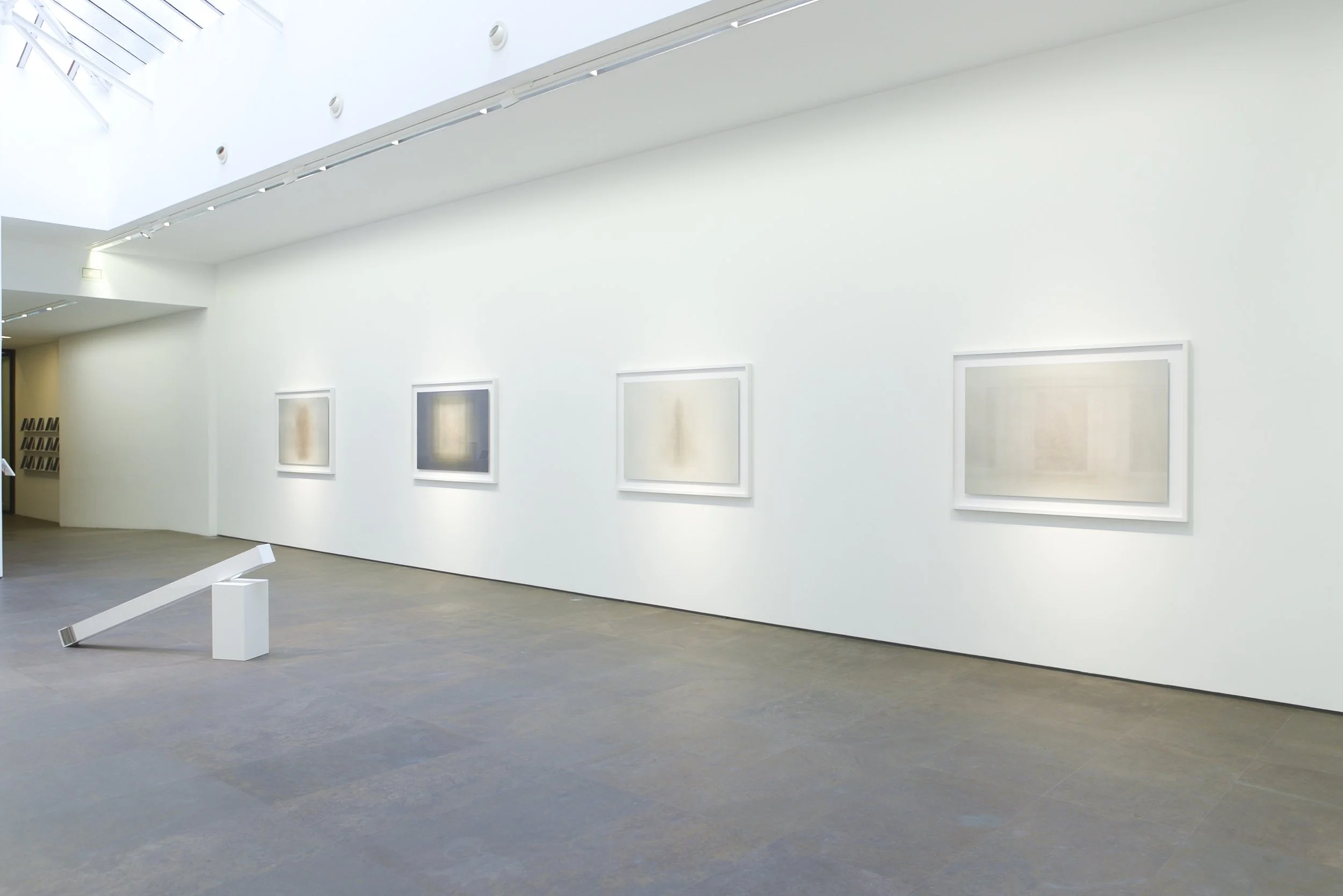
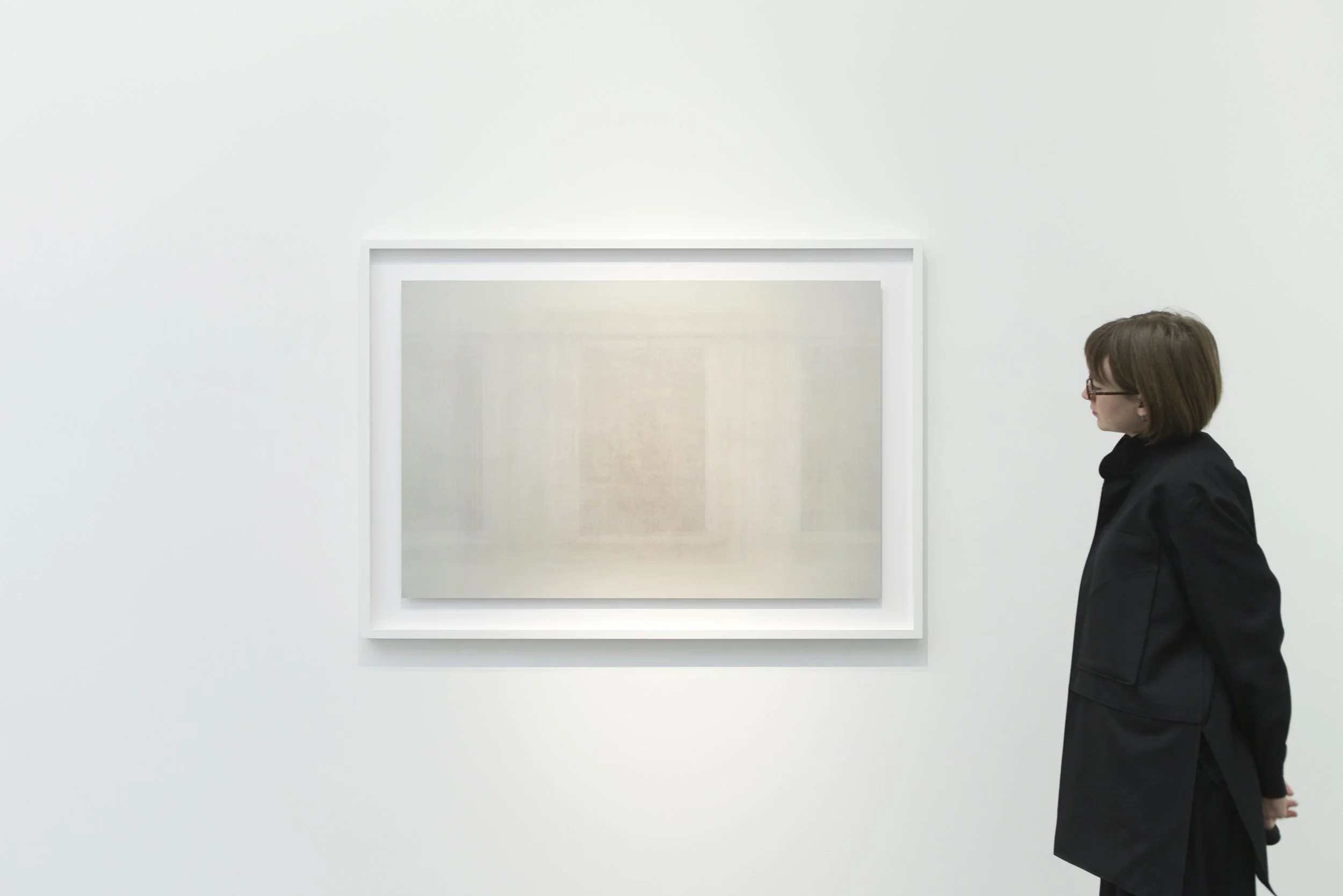
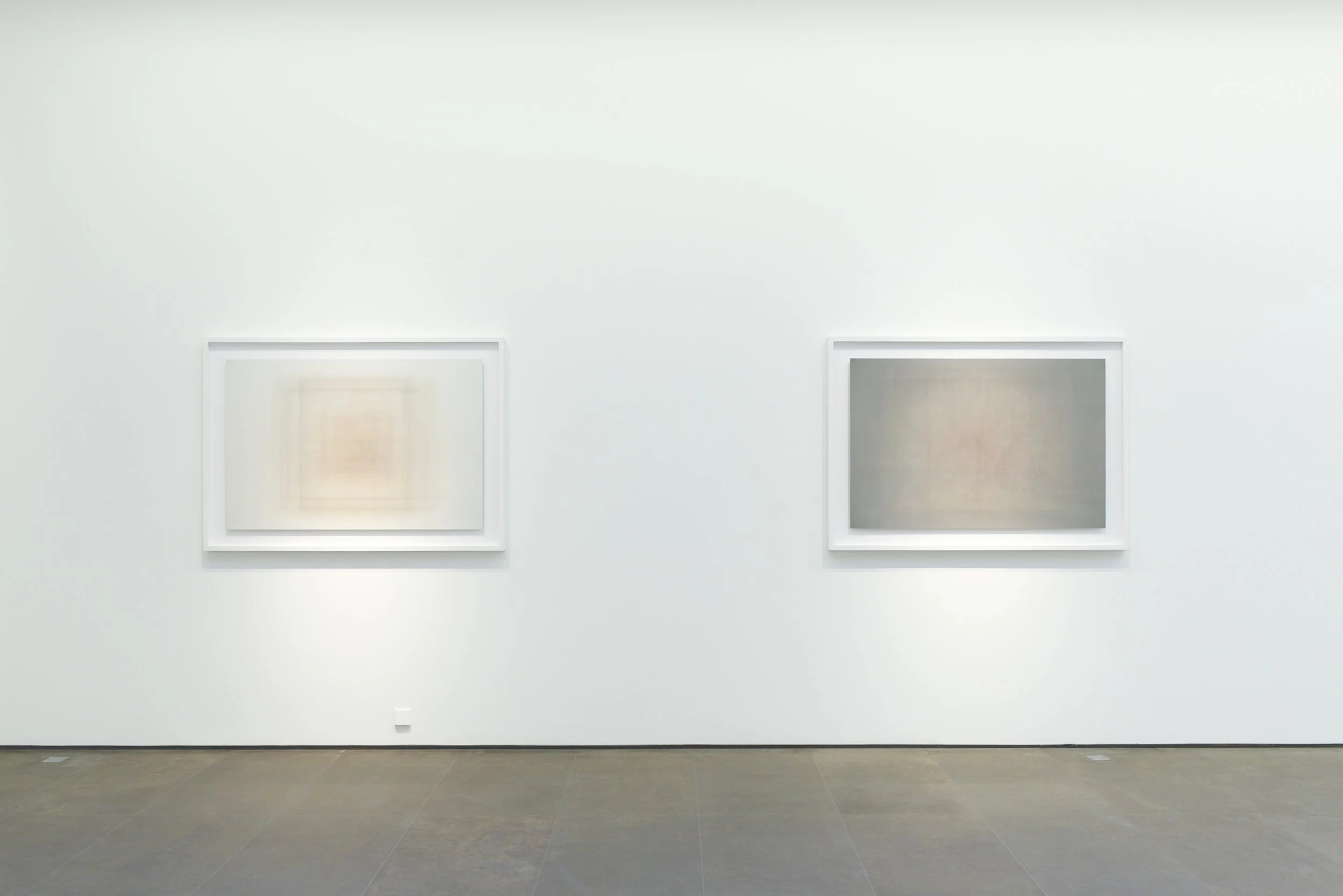
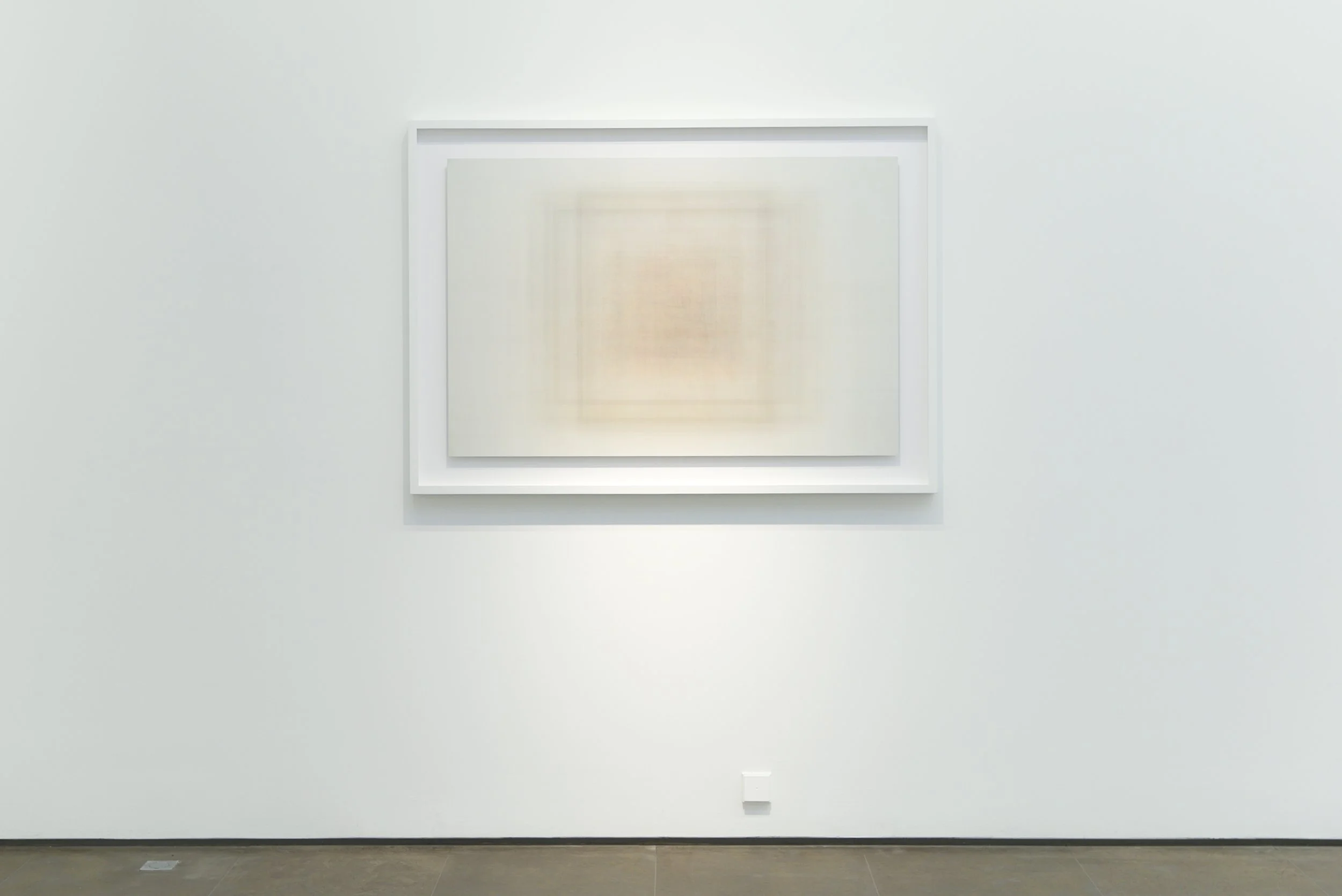
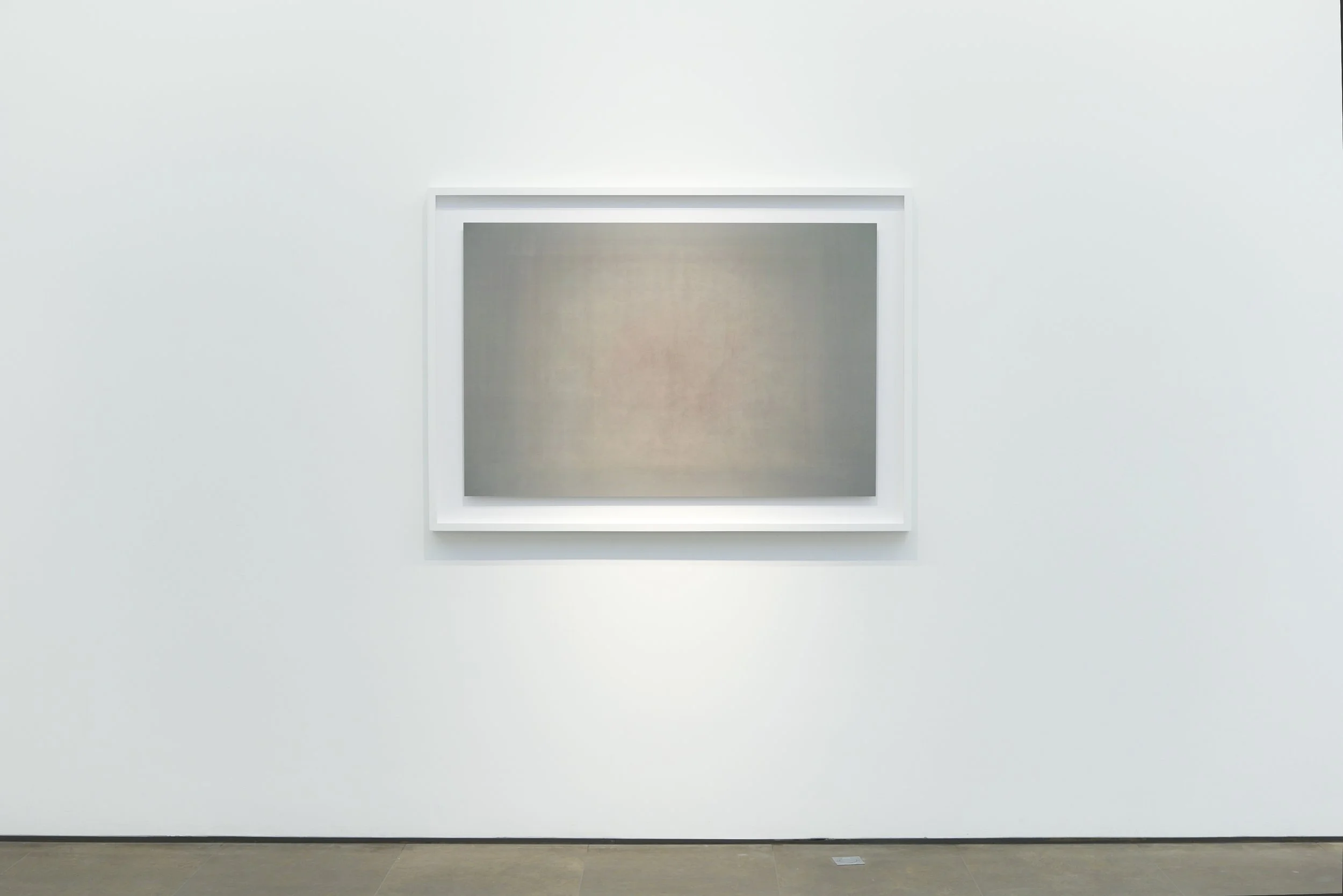
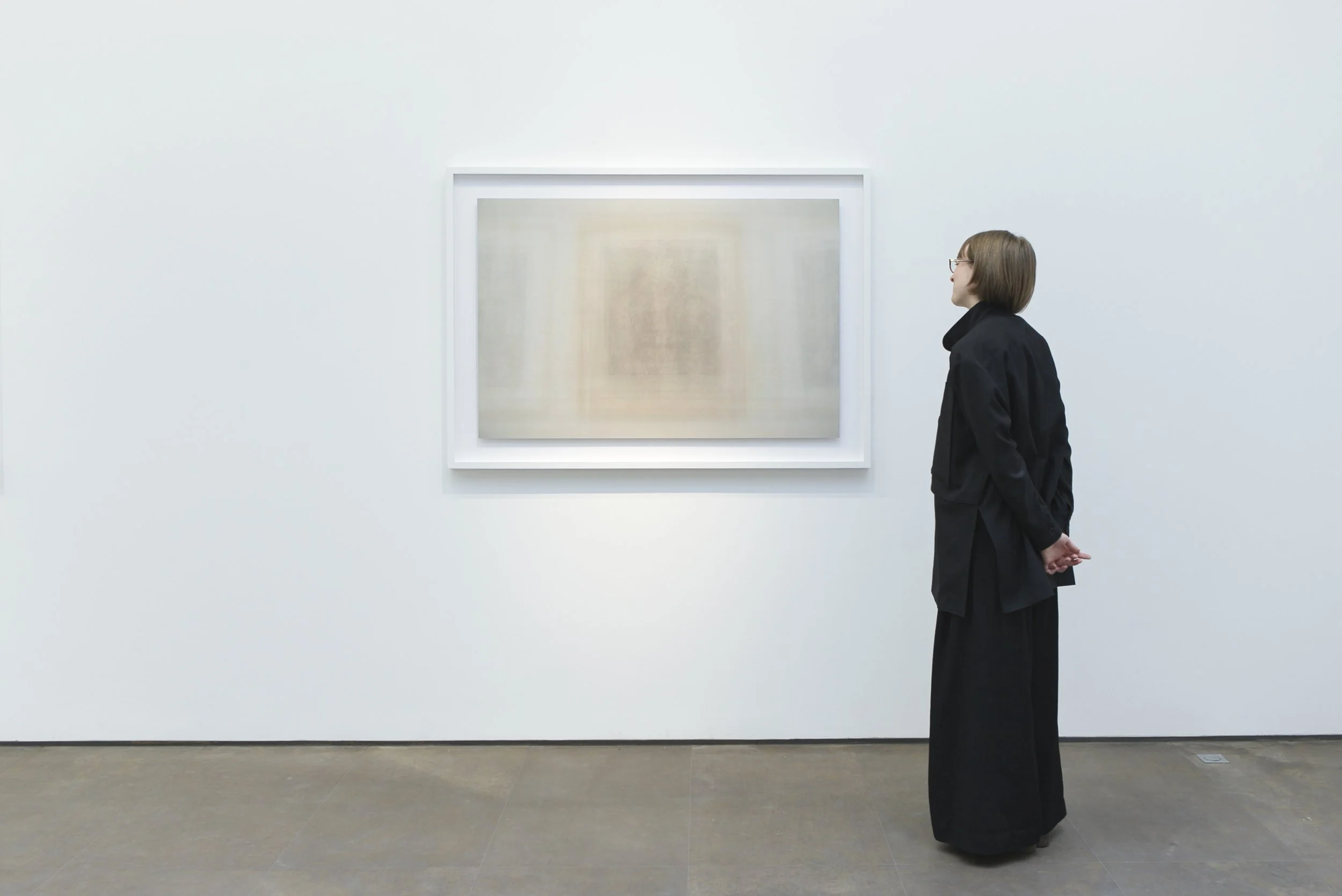
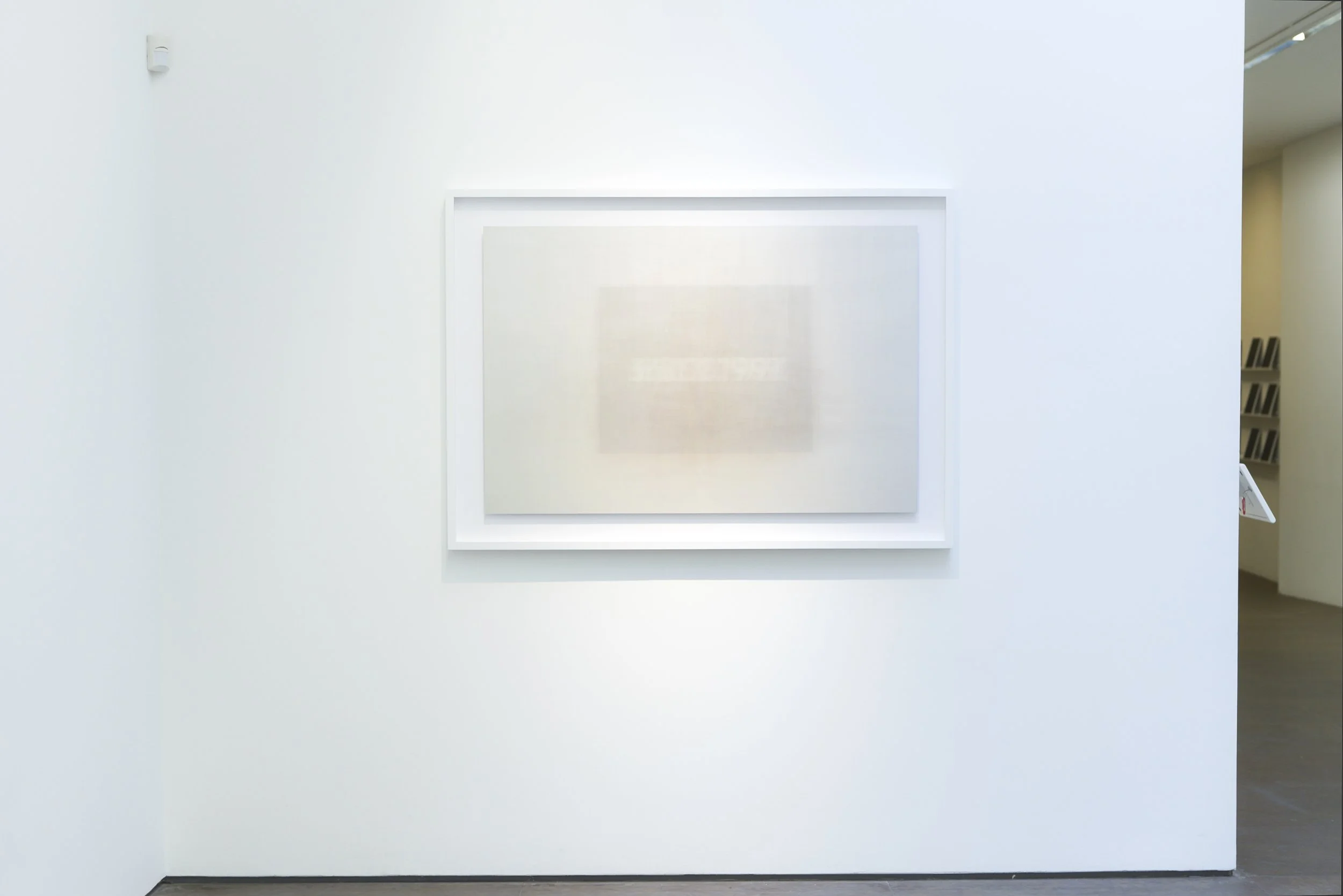
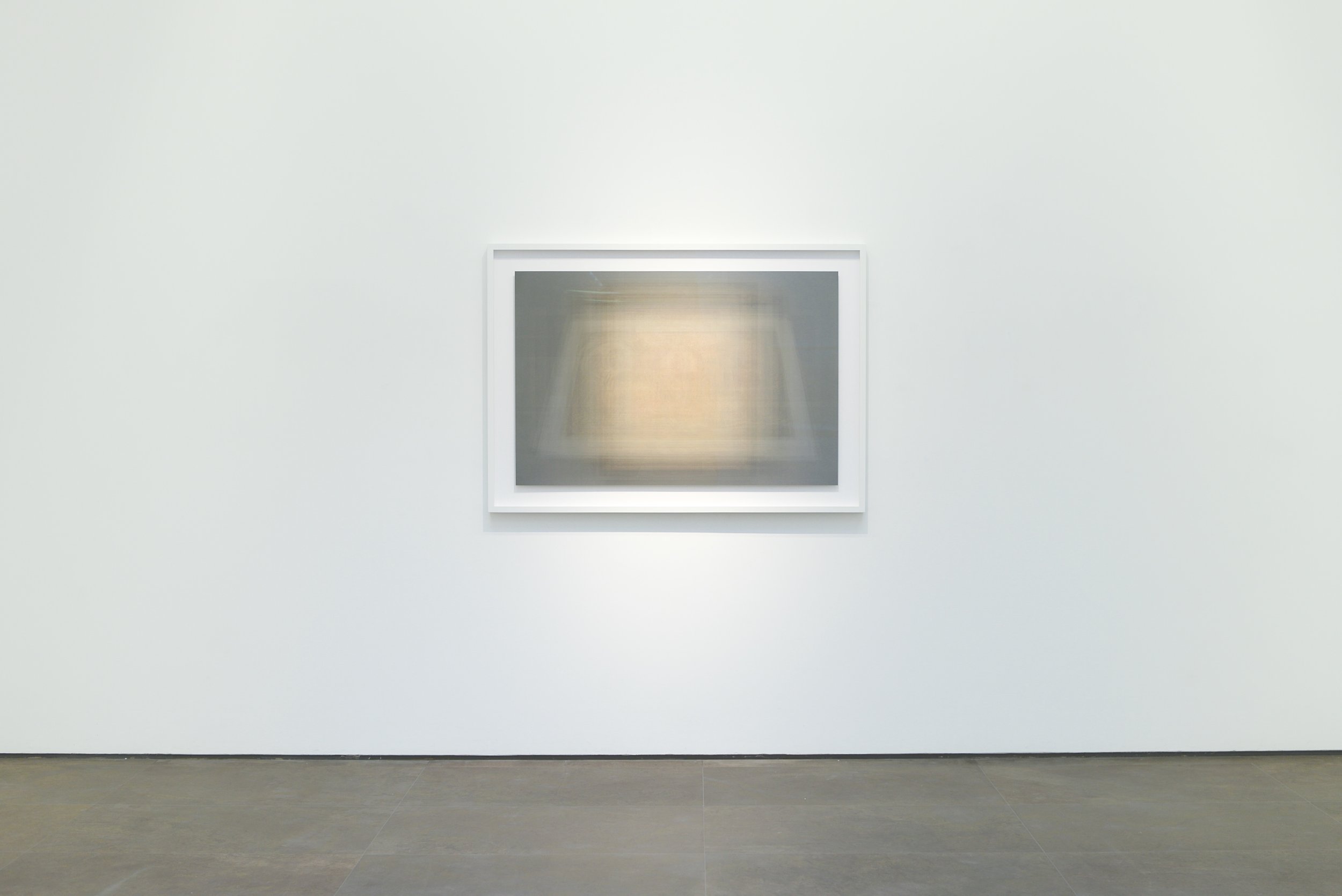
We are pleased to present Matière noire, a long-term series by Canadian artist Martin Désilets. Conceived as a project unfolding over the course of a lifetime, this ambitious work occupies a central place in the artist’s practice and forms the core of the exhibition presented here. The “states” brought together offer both autonomous works and evolving fragments of a larger whole, inviting viewers to engage with the work through the quiet intensity of the image.
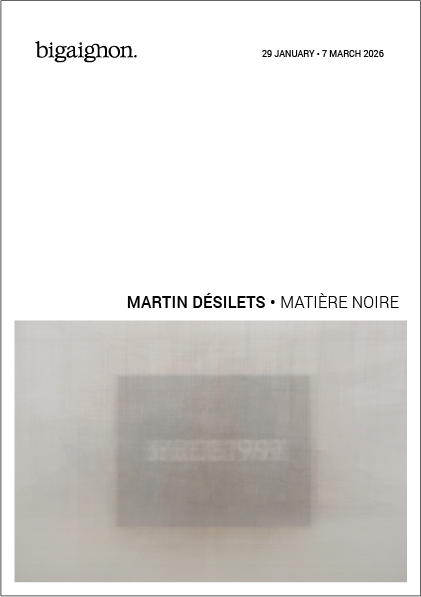
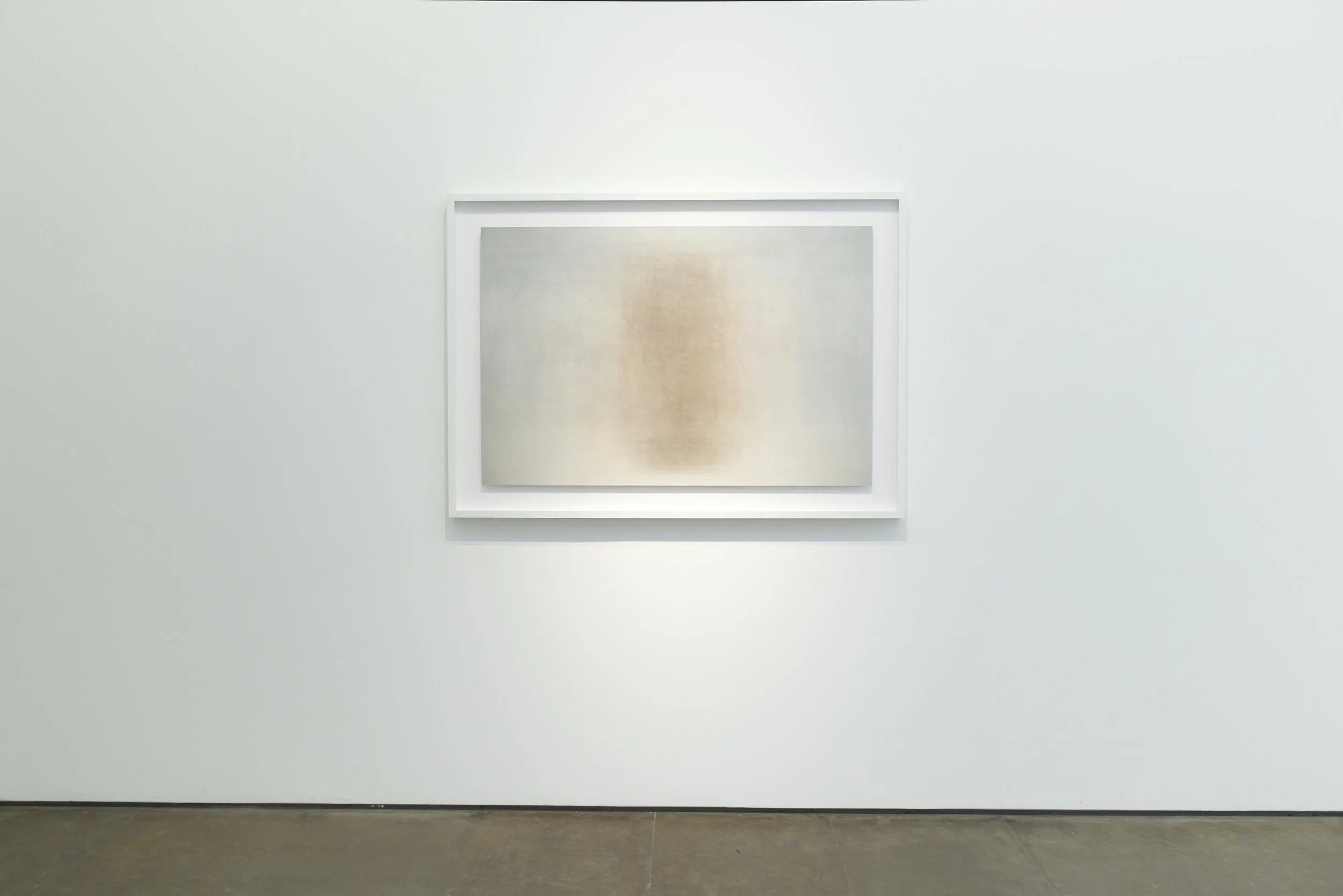
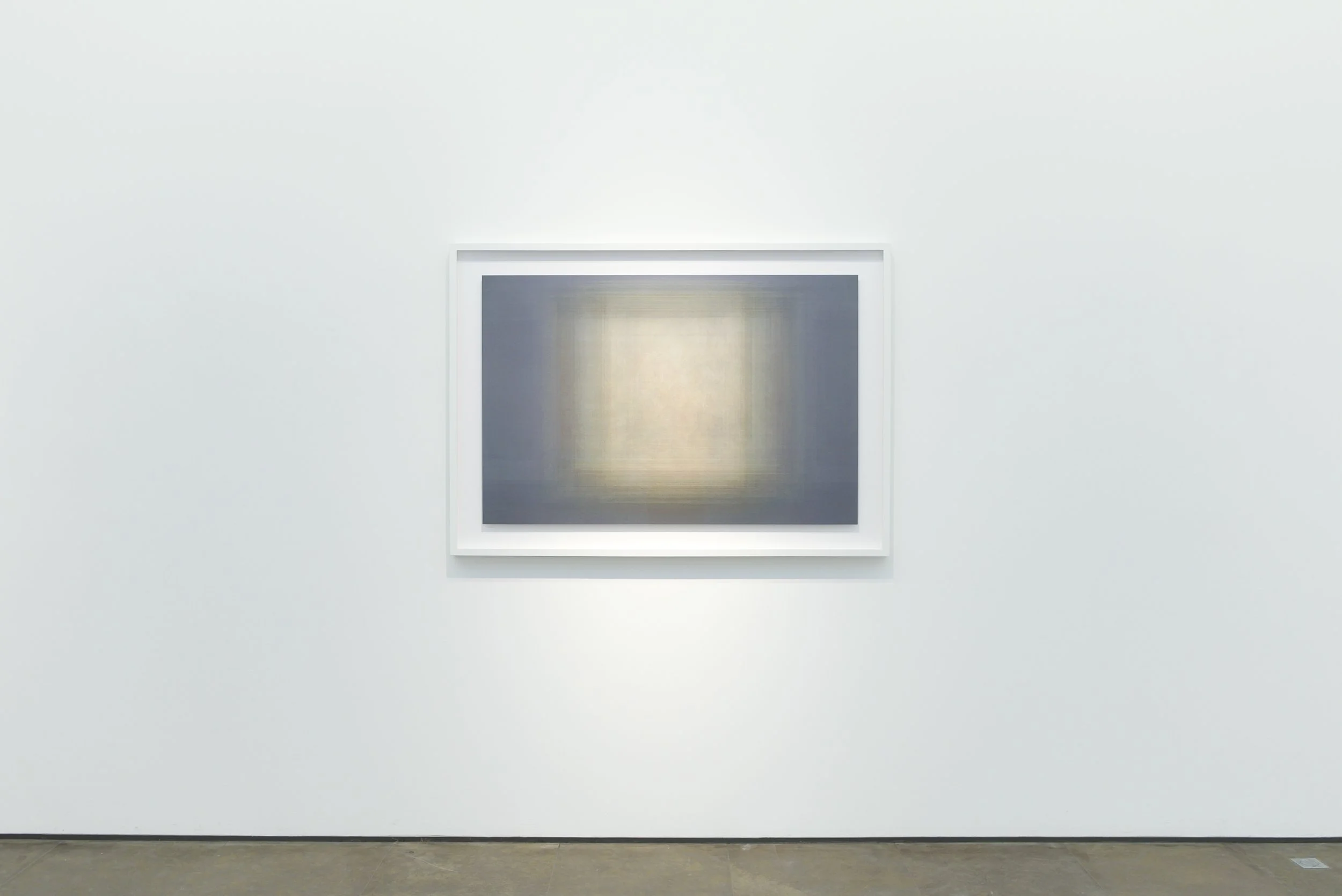
In 2017, Martin Désilets initiated Matière noire, a project conceived to unfold over the duration of a lifetime. Structured by a simple yet inexhaustible protocol, the work consists of photographing and digitally superimposing all modern and contemporary visual artworks into a single image, advancing incrementally toward complete black. Désilets estimates that around 150,000 works will be required to reach this terminal state. At the time of writing, approximately 40,000 artworks have been photographed, with 10,000 assembled into the “states” presented in this exhibition.
At once cumulative and vanishing, Matière noire emerges from a historical moment defined by the saturation of images and the erosion of attention. Against the ceaseless circulation of visual content, Désilets produces images that appear nearly immaterial yet remain densely charged, requiring a slowing down of perception. Every hundred artworks added generates a new “state”: each both an autonomous work and a provisional crystallization within an ever-expanding whole.
The genesis of Matière noire lies in a moment of personal and perceptual disorientation. While visiting museums, Désilets became acutely aware of a paradoxical situation: artworks were increasingly encountered through devices, photographed rather than seen. Confronted with this experience, he was compelled to reassess not only his relationship to photography, but also his reasons for continuing to make art and to frequent museums. Rather than positioning itself as a critique of digital culture or the post-photographic condition, Matière noire unfolds as a search for meaning—one grounded in the insistence on physical presence, repetition, and duration.
Faced with the dematerialization of images, the acceleration of time, and the growing influence of algorithmic systems, Désilets chose to encounter each artwork directly. His photographs are taken exclusively in museums, transforming acts of looking into a cumulative, material process. These high-resolution images—impossible to derive from reproductions or online sources—form the raw substance of Matière noire, allowing the artist to dissolve the opposition between seeing art and making it.
Although the project extends over decades, its means remain deliberately modest. Matière noire belongs to a form of digital craft that is closer to painting than to complex computational imagery. It requires no programming or automated systems, but relies instead on a camera, standard image-processing software, and the steady execution of a protocol. As Désilets travels, the works he encounters condition both the visual texture and the conceptual scope of the project. While he does not select individual works in advance, he must nonetheless determine whether each object belongs to the field of modern or contemporary visual art—an act that inevitably exposes the fragility of categories and the limits of classification.
At its core, Matière noire can be understood as an attempt to exhaust the act of photography, while simultaneously questioning the legacy of modernity. In this sense, it echoes the ambitions of painters who progressively reduced painting to its thresholds, driven by the utopian desire to create a work that might contain all others—or mark an ending point. The horizon of blackness toward which Matière noire moves is not simply an image of closure, but a meditation on finitude itself: of images, of history, and of artistic practice.
Martin Désilets began his career as a painter, engaging closely with the legacy of abstraction. Although his practice now incorporates photographic and digital printing processes, the productive tension between painting and photography continues to inform his work. Matière noire occupies this unstable terrain, contributing to an ongoing redefinition—and possible expansion—of both fields.