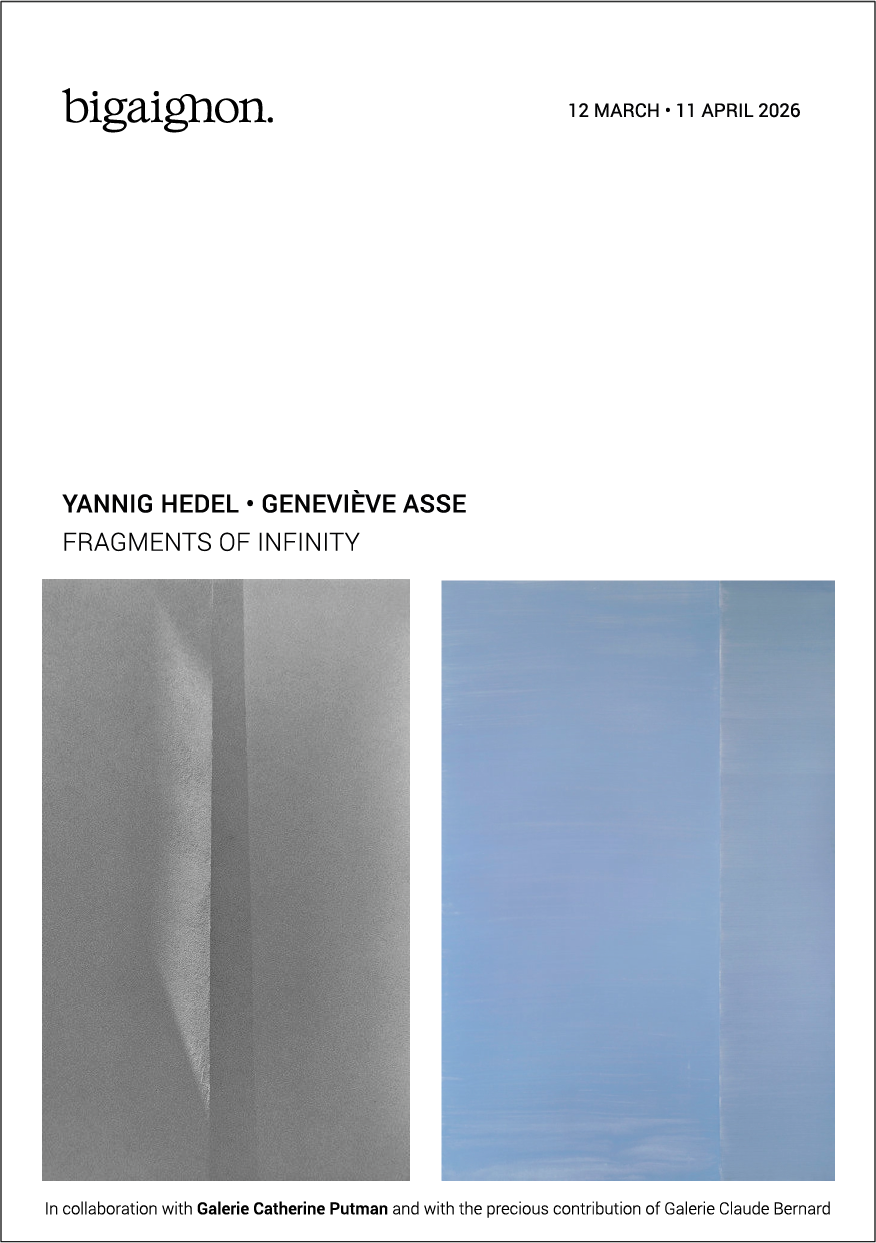
YANNIG HEDEL - GENEVIÈVE ASSE • FRAGMENTS OF INIFINITY
OPENING: THURSDAY 12 MARCH 2026 (6PM-9PM)
EXHIBITION FROM 12 MARCH TO 11 APRIL 2026
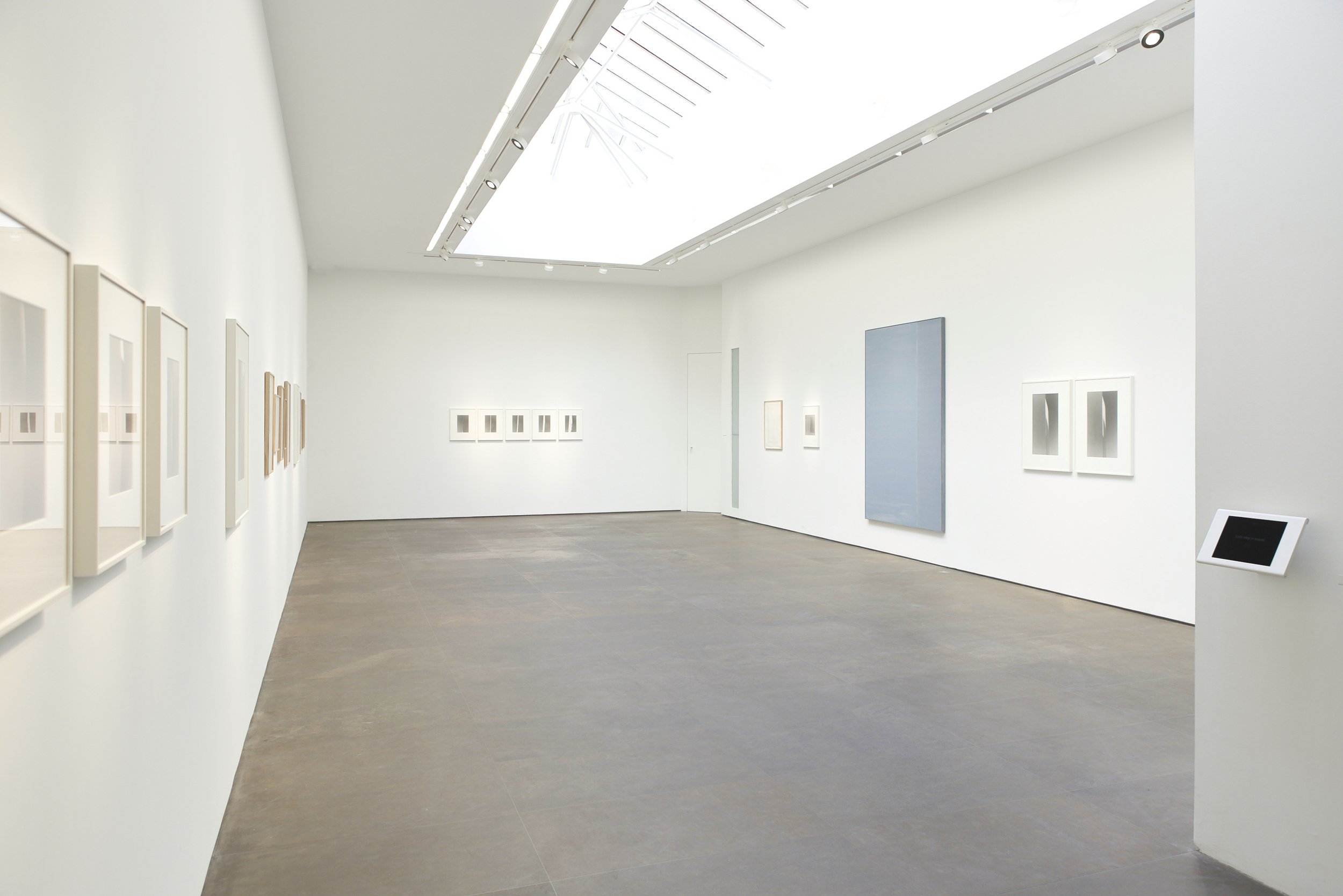
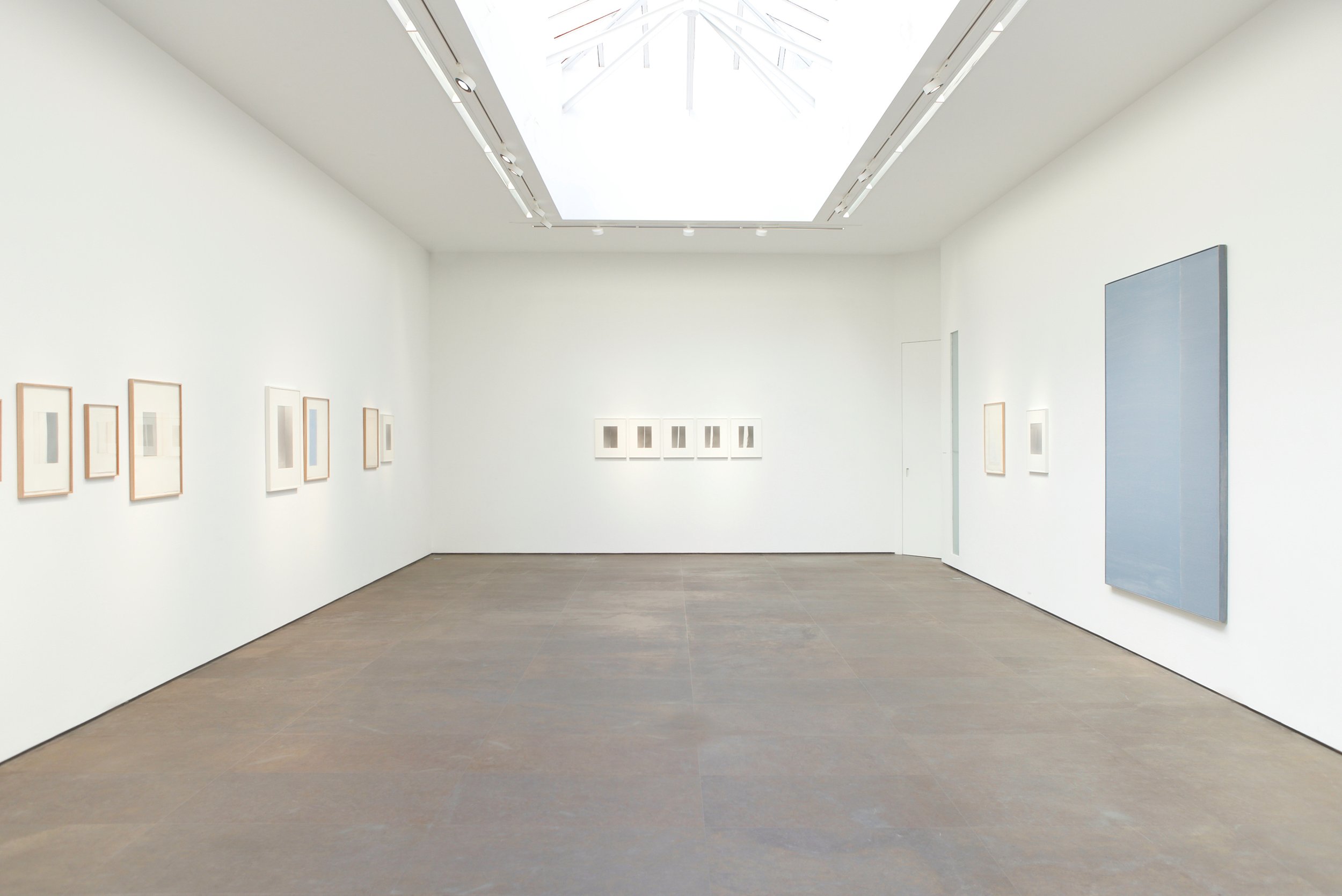
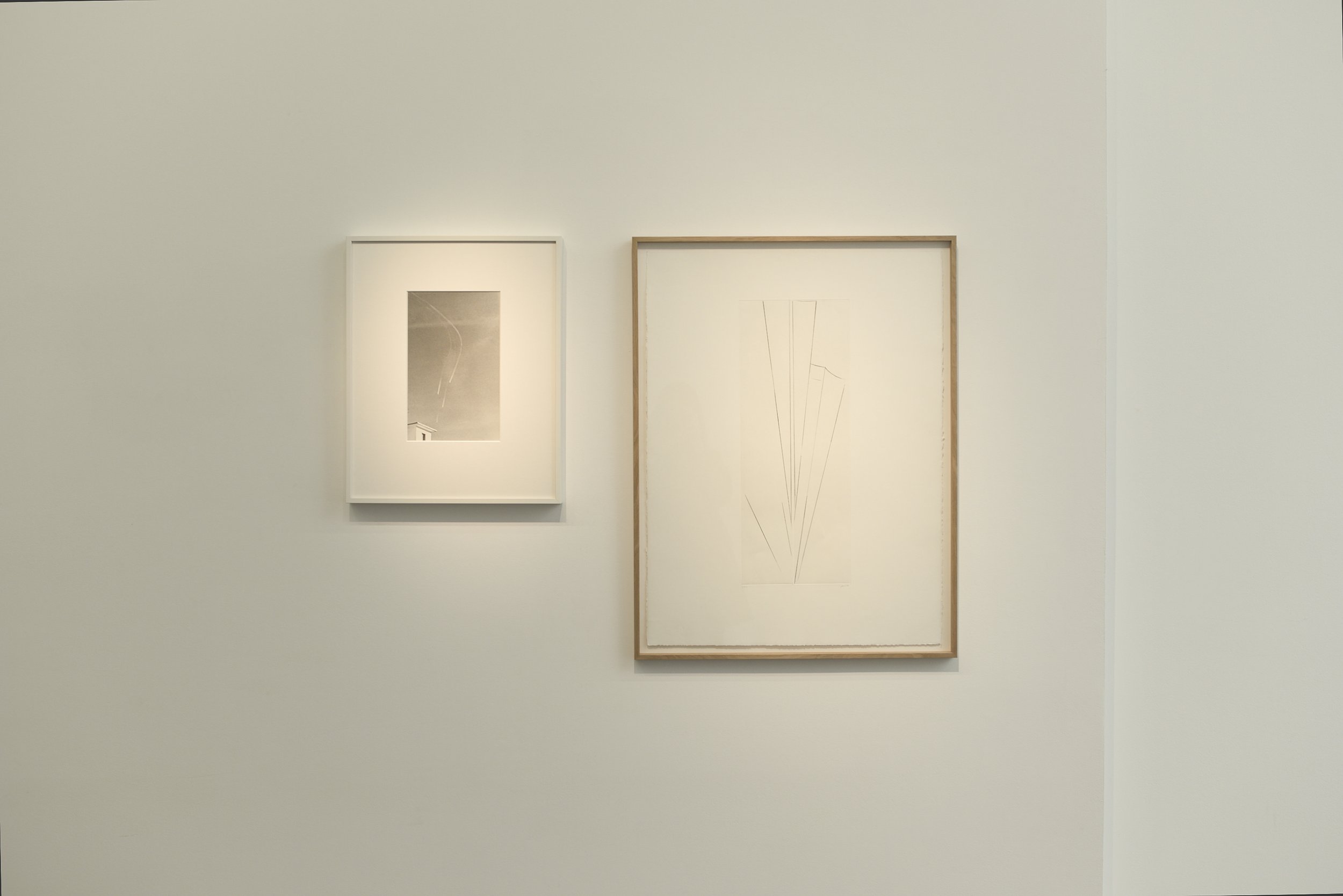
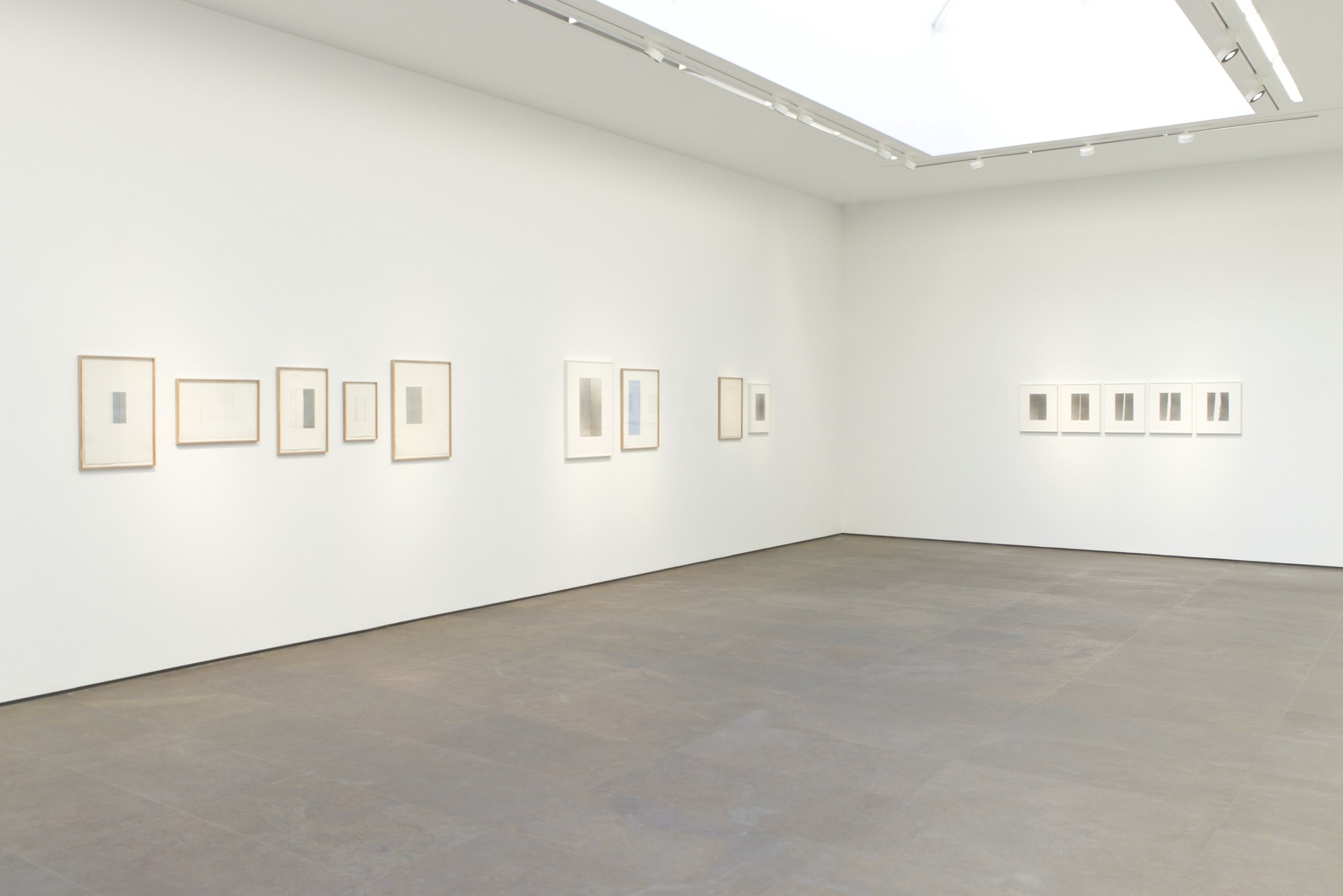
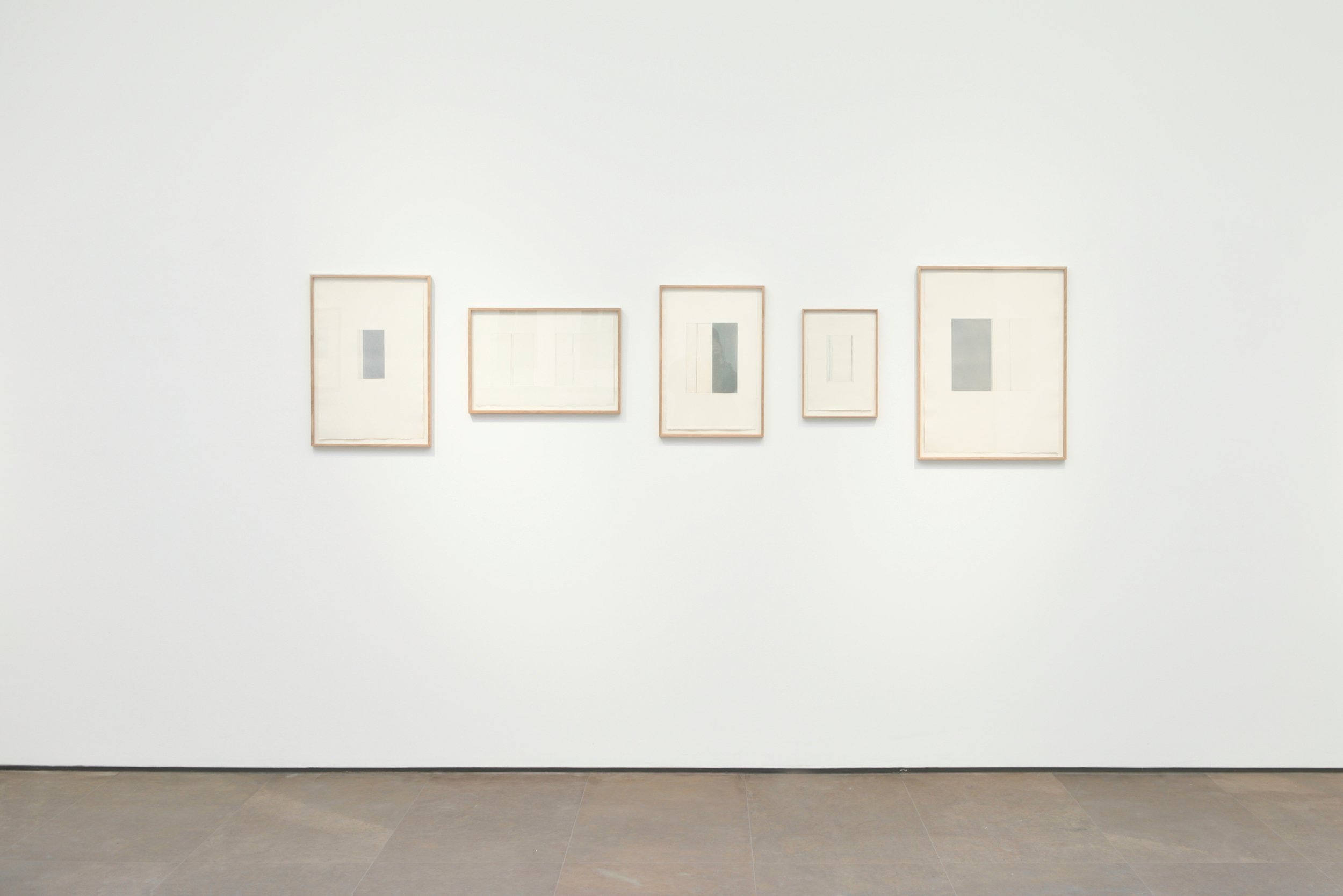
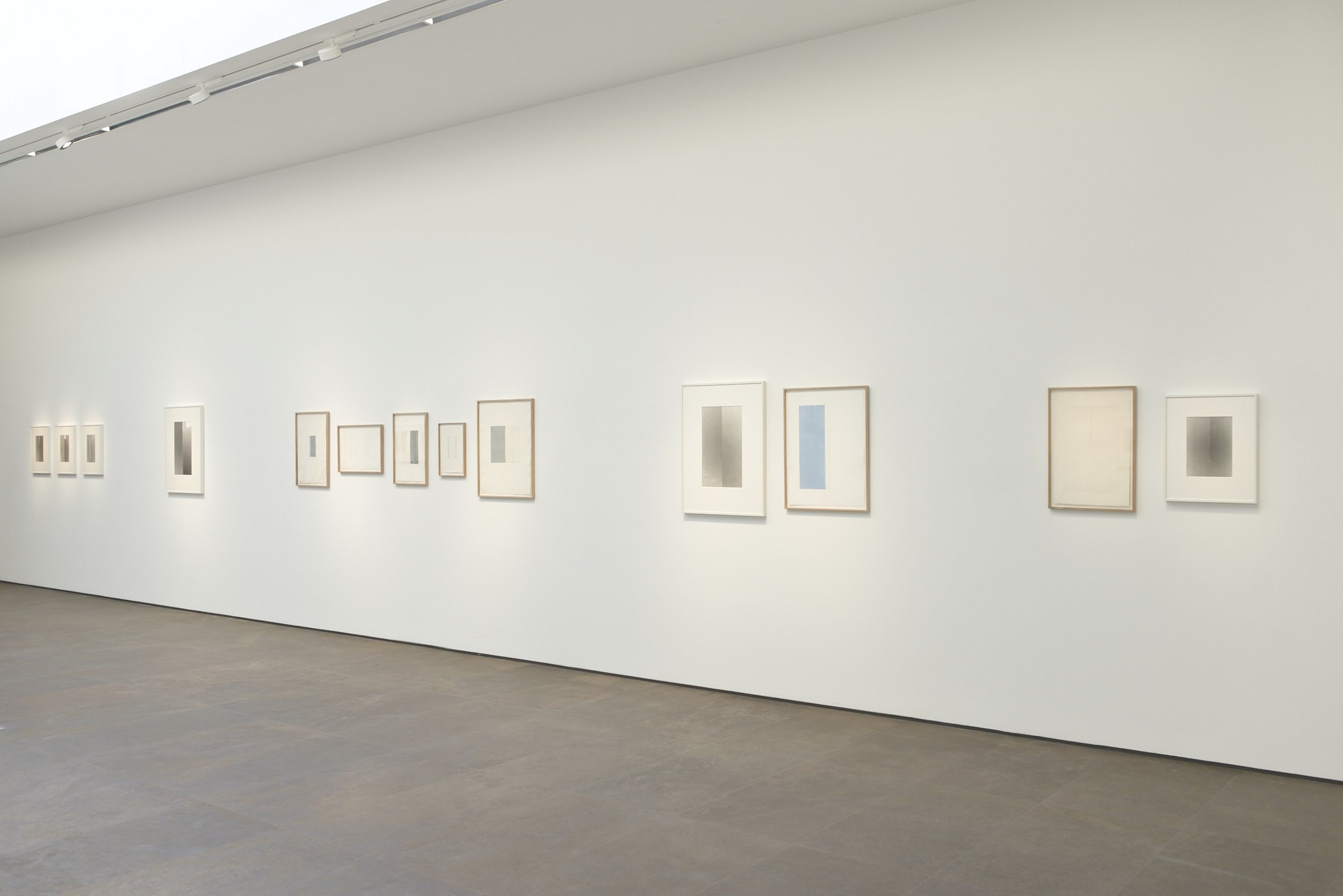
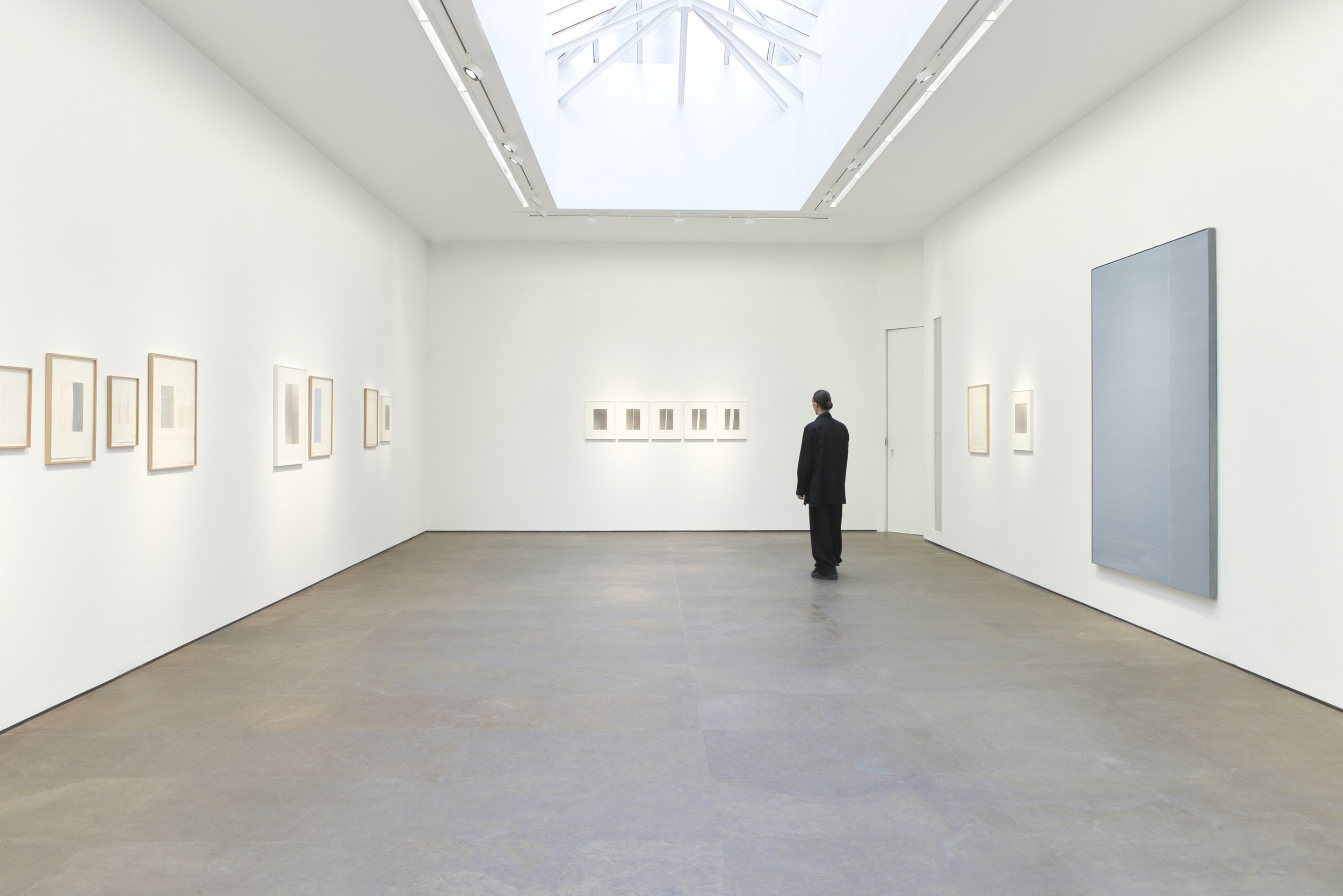
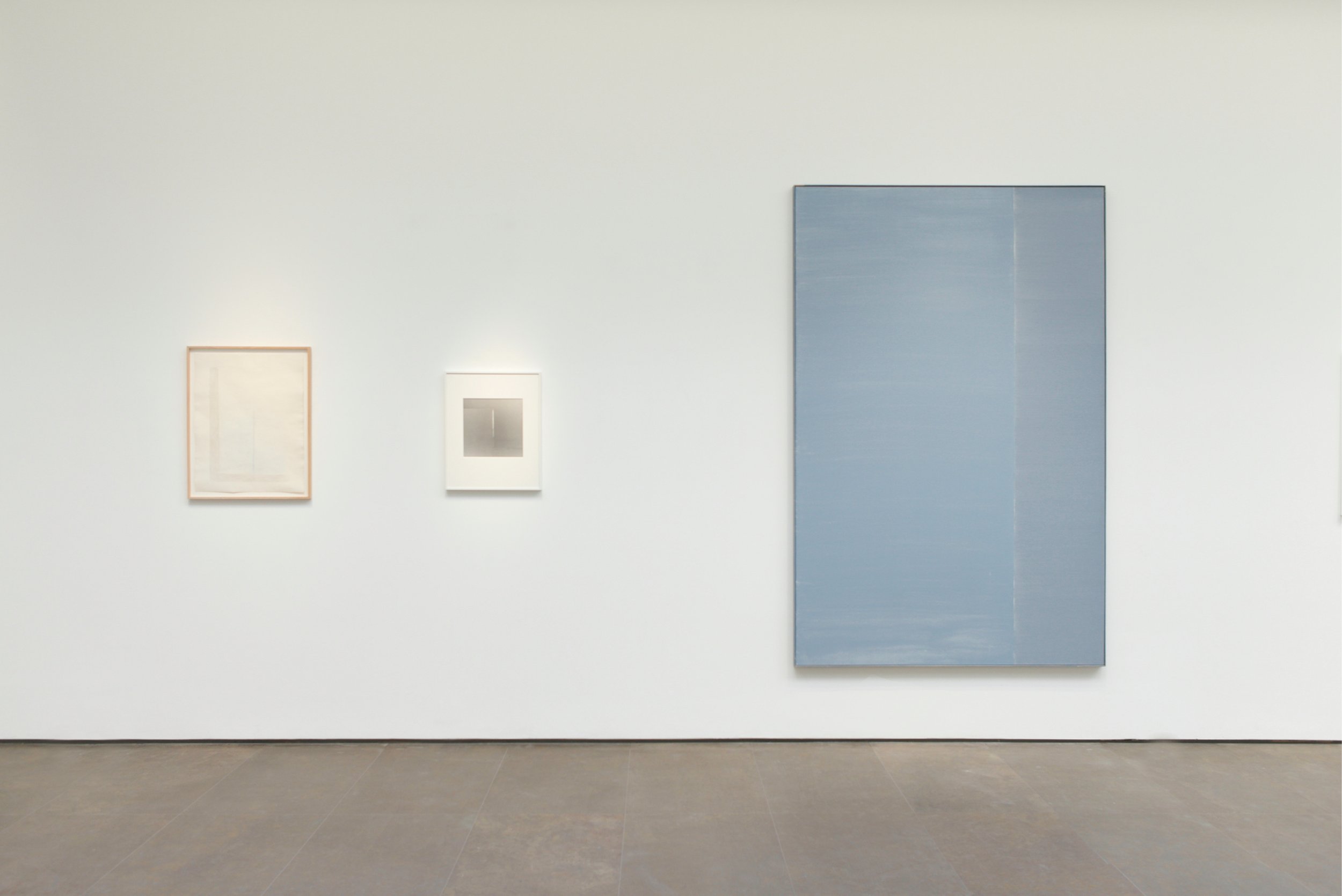
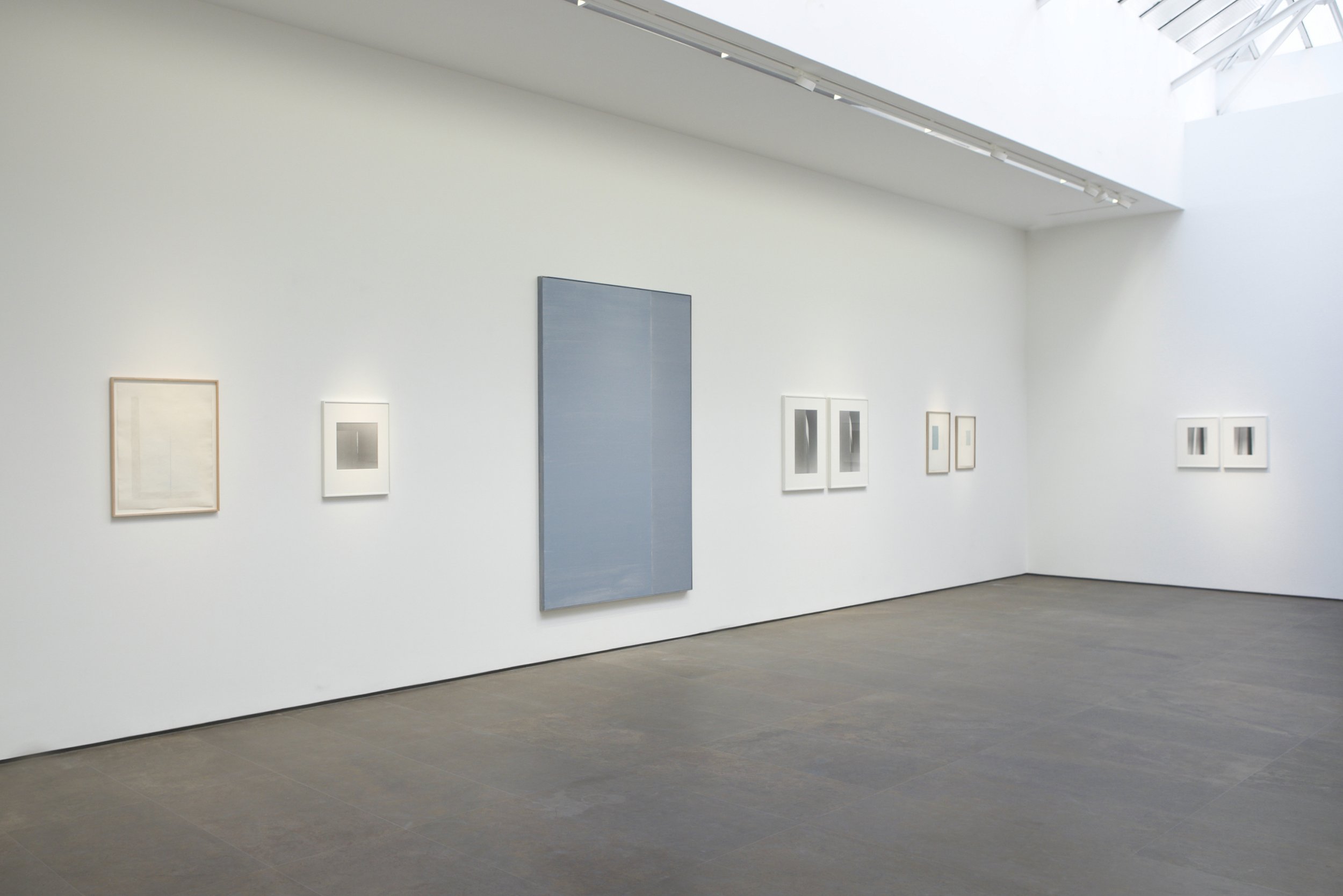
We are particularly pleased to present, for the very first time, a unique dialogue between the rigorous works of two major figures of French art: photographer Yannig Hedel (born 1948) and painter Geneviève Asse (1923–2021). This historic exhibition, entitled “Fragments of Infinity” and curated by Thierry Bigaignon and Eléonore Chatin, brings into dialogue a range of mediums—photography and painting, of course, but also engraving and drawing—each employed as a natural means of expressing a clear, rigorous, and deeply coherent artistic vision. The exhibition is presented in collaboration with Galerie Catherine Putman, with the valued contribution of Galerie Claude Bernard.
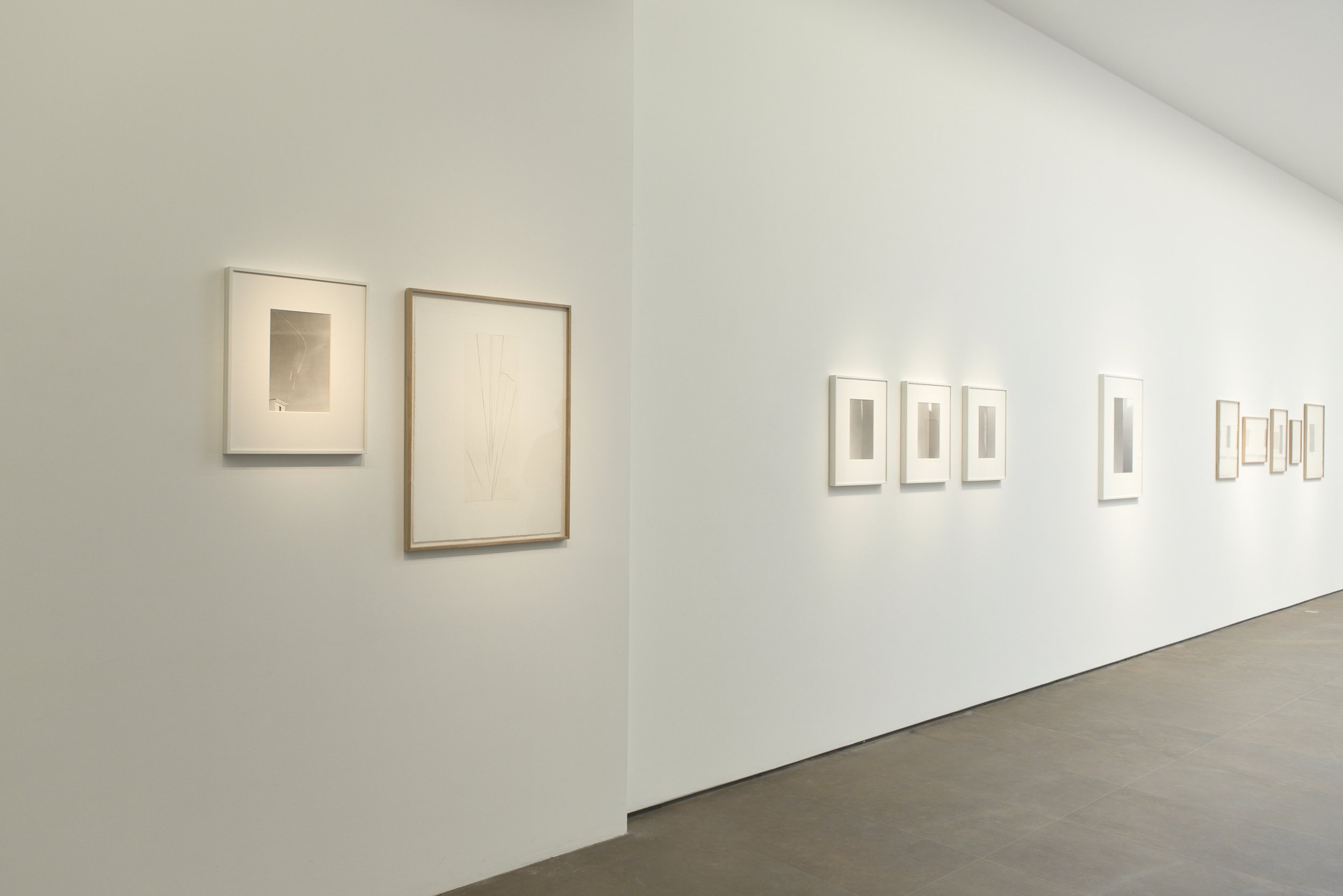
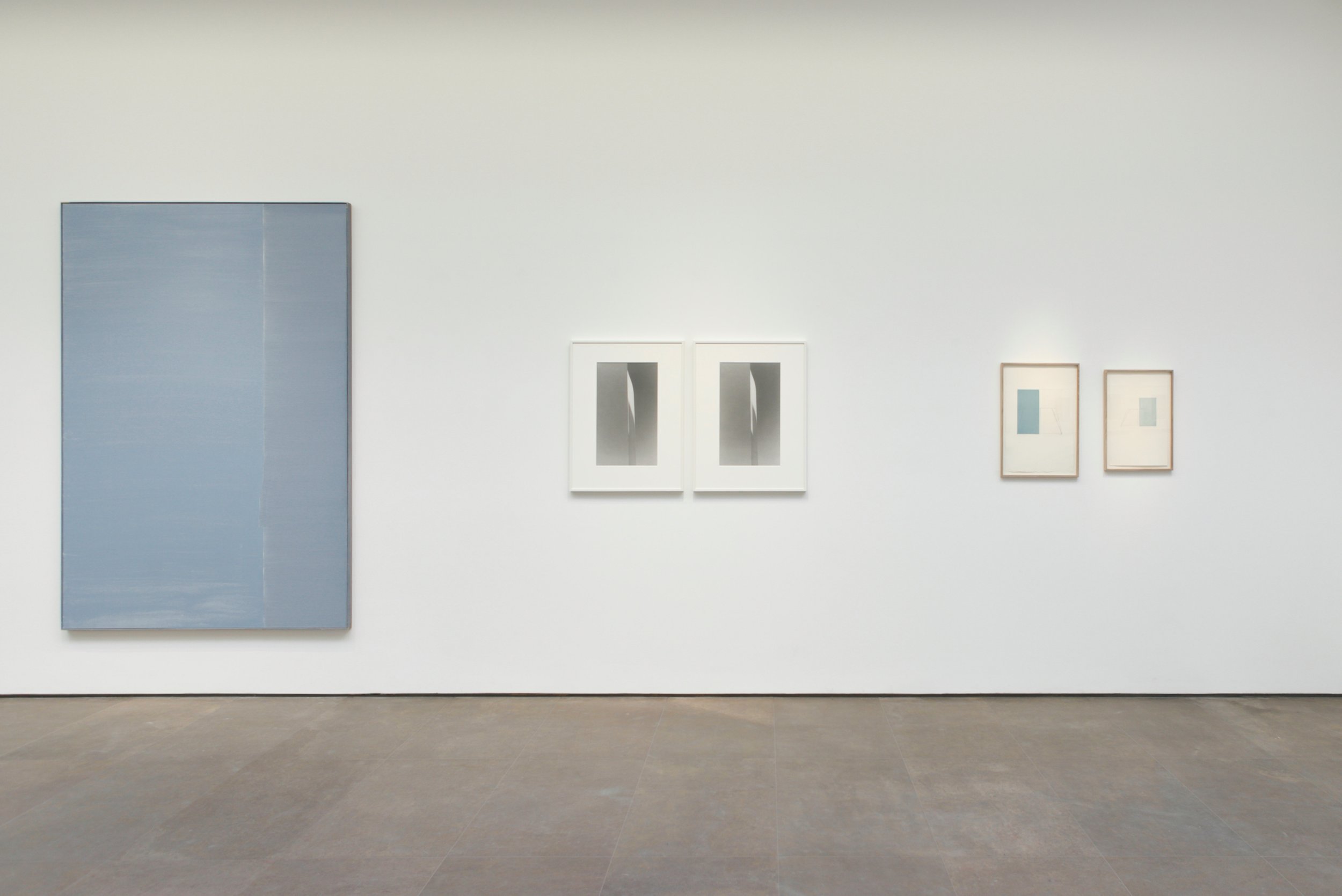
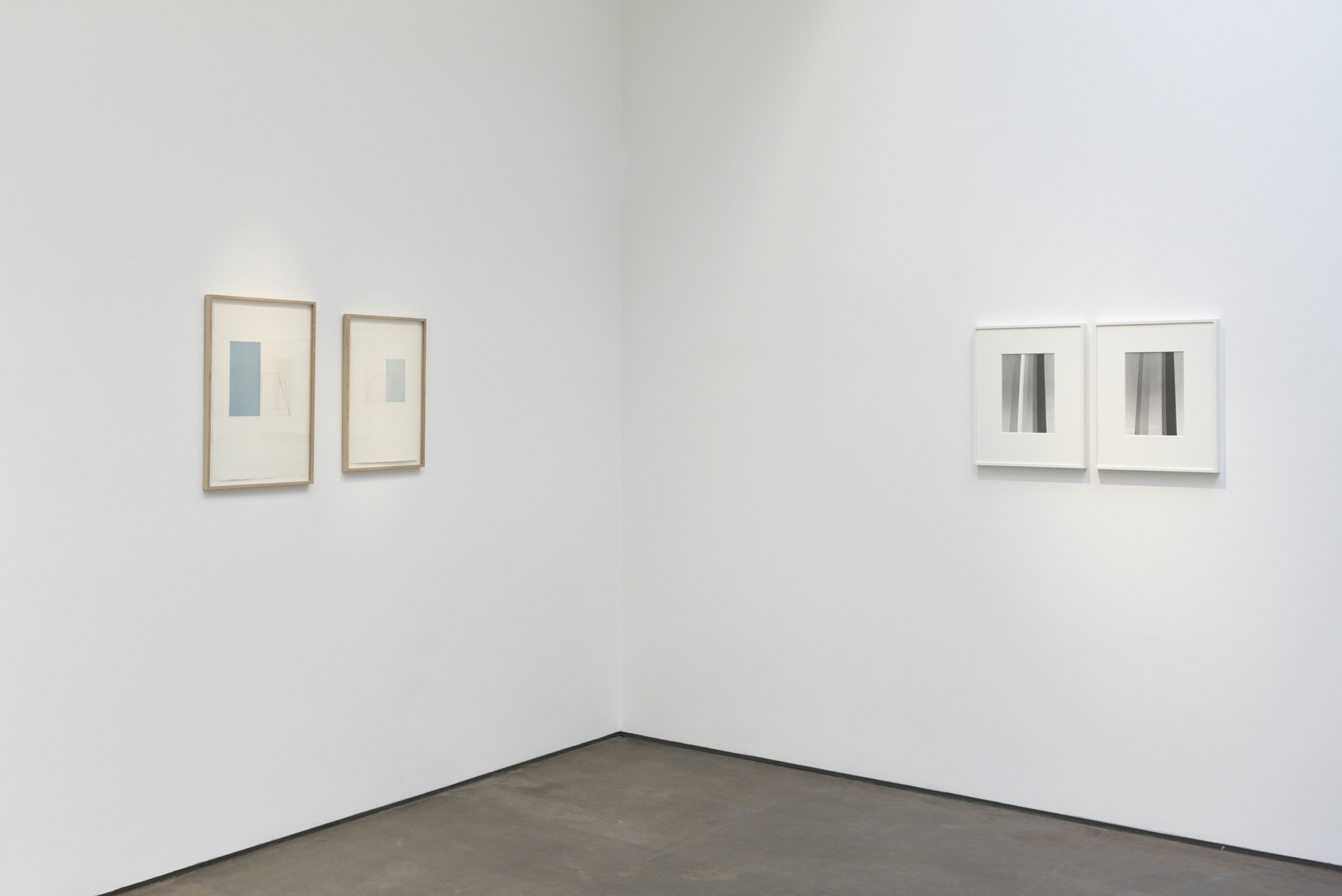
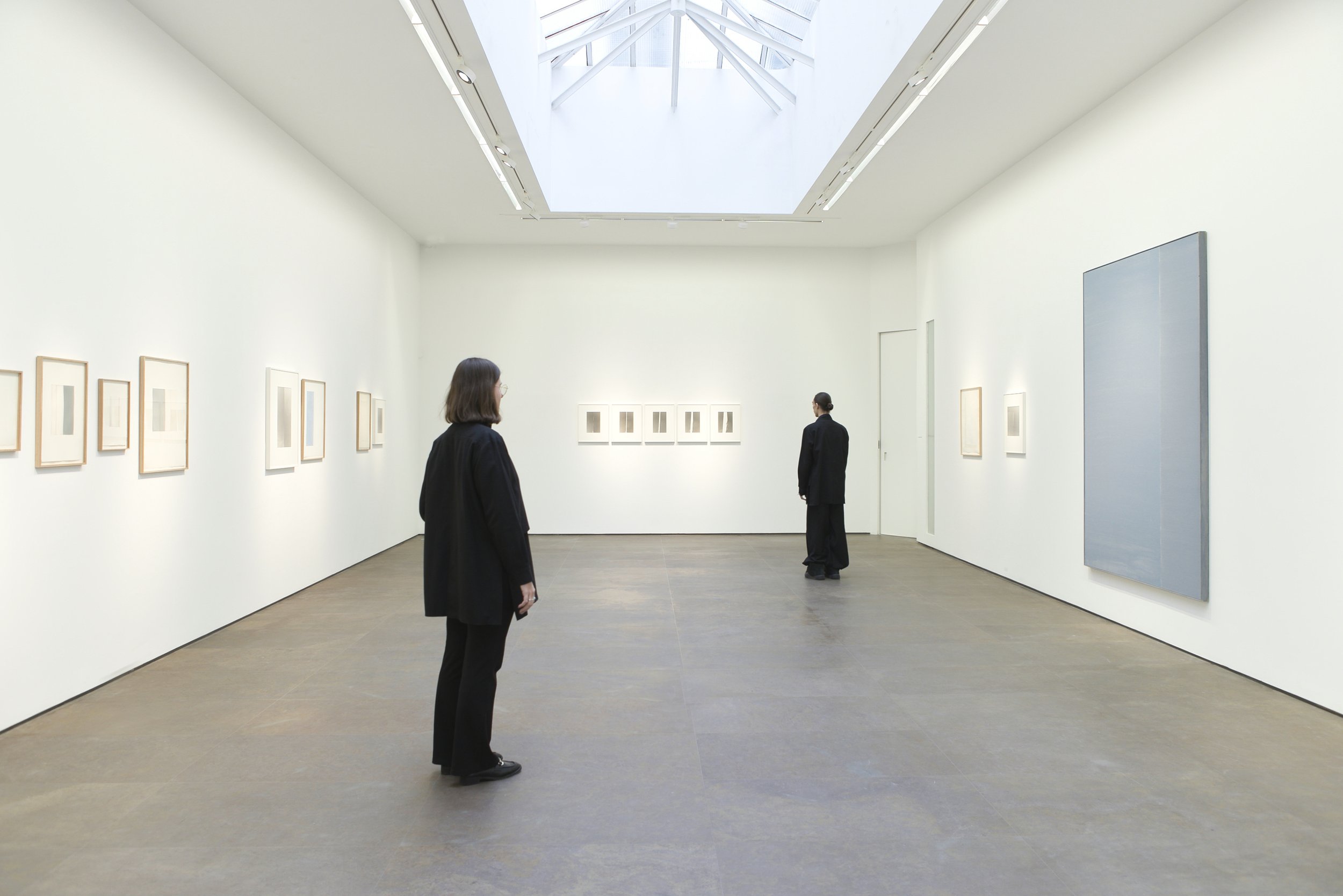
A stimulating dialogue unfolds between the photographic prints of Yannig Hedel and the prints of the painter and engraver Geneviève Asse. Like “fragments of infinity,” the uncompromising works of the two artists subtly echo one another, revealing the hidden affinities that underpin their research and lines of work.
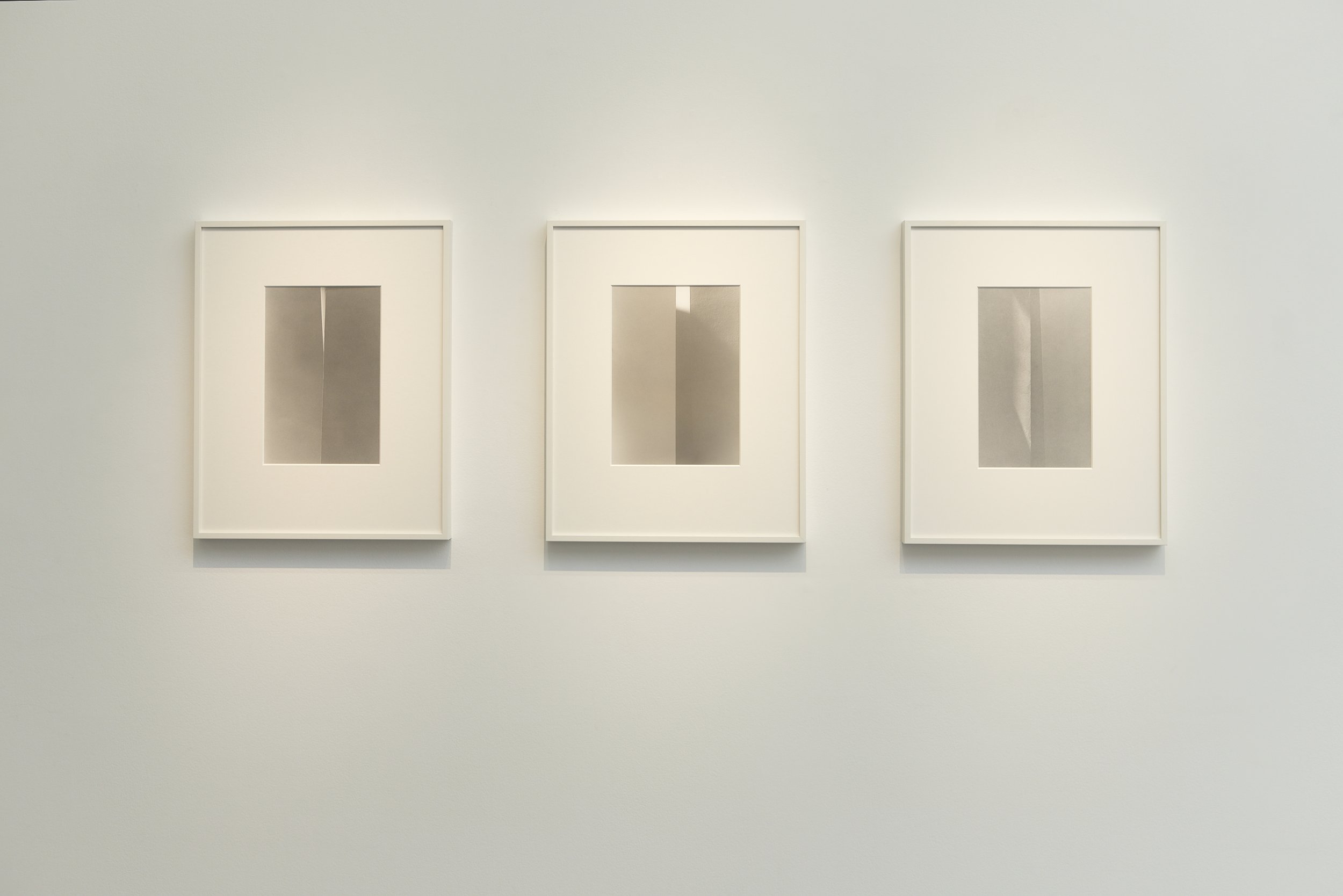
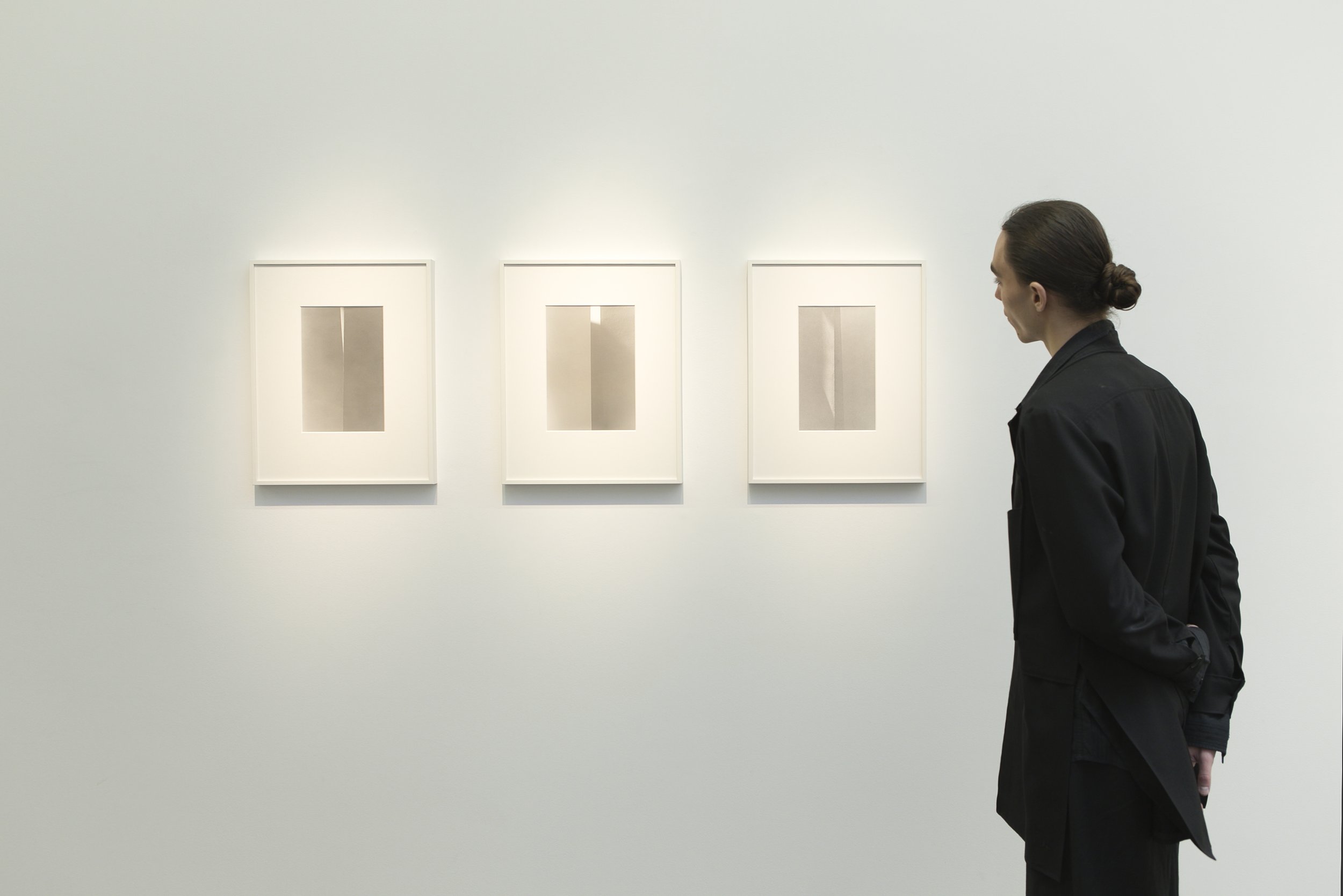
Architecture and light lie at the heart of their respective practices. In Yannig Hedel’s work, a strong sense of composition fragments space, offering shards of elements—skies, walls—and disorienting the viewer, whose gaze oscillates between macrocosm and microcosm. In the photographer’s images, a sliver of light or shadow often serves to distinguish the solidity of architecture from the emptiness of the celestial space, providing the key to the composition. At times it becomes a rupture, splitting the illusion of the visible; at others, a joint that symbolically connects humankind to the ether, halting our gaze on the passage of a cloud or the flight of a swallow.
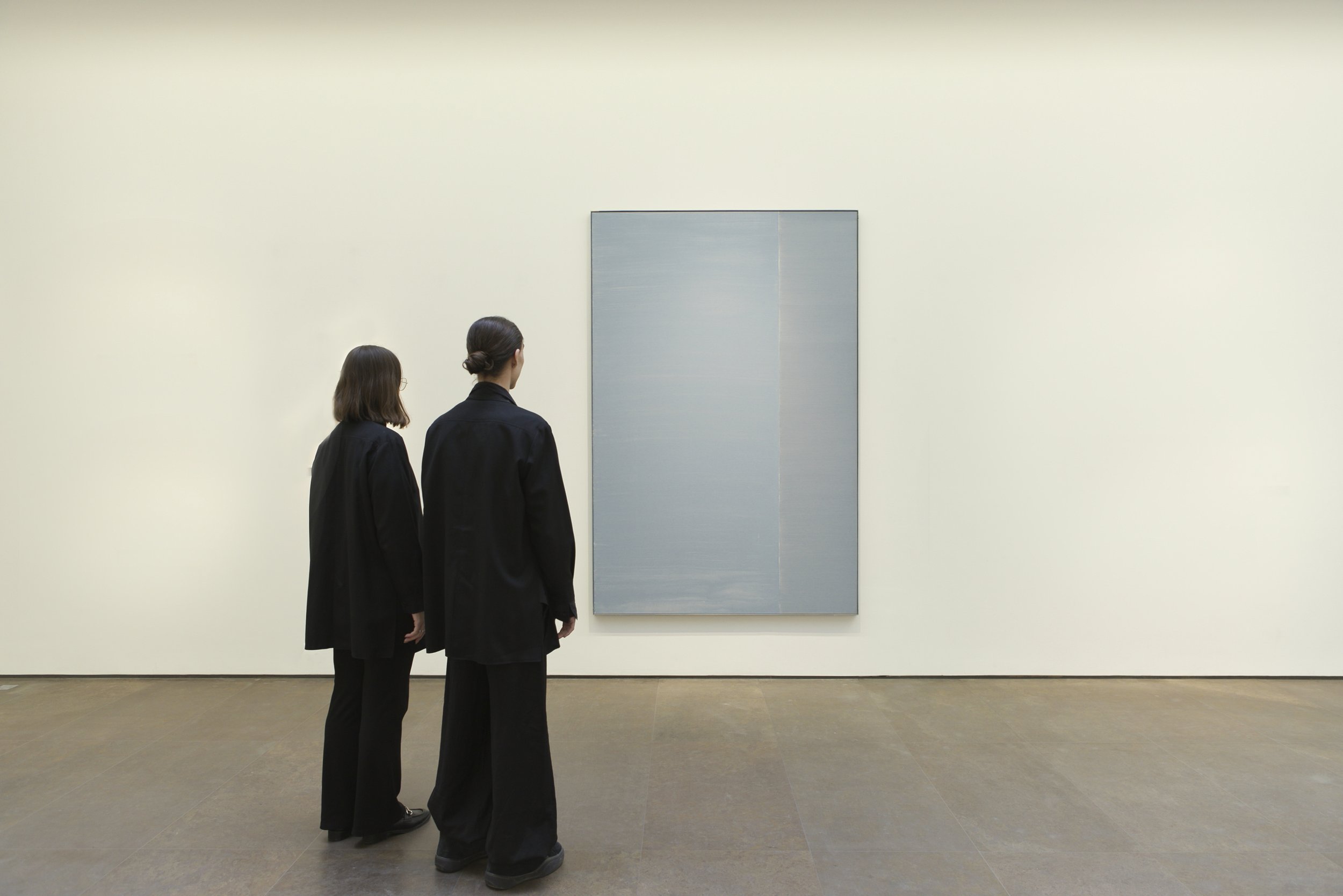
Geneviève Asse, who once said that “a single line gives meaning, creates all the intensities of light and shadow,” never ceased to paint and engrave space and the vibrations of light with a prodigious economy of means. Fenêtre espace (1974), Lumière verticale (1977), Ouverture VIII (1980), Aquatinte lumière (1999–2000): the sobriety of the titles of her prints bears witness to this quest. In some engravings, a form can occasionally be sensed almost imperceptibly—the ribs of a fan, the shutters of a window, a horizon line—serving as points of anchorage in a body of work where abstraction is never a renunciation of reality, but rather a way of grasping its essence.
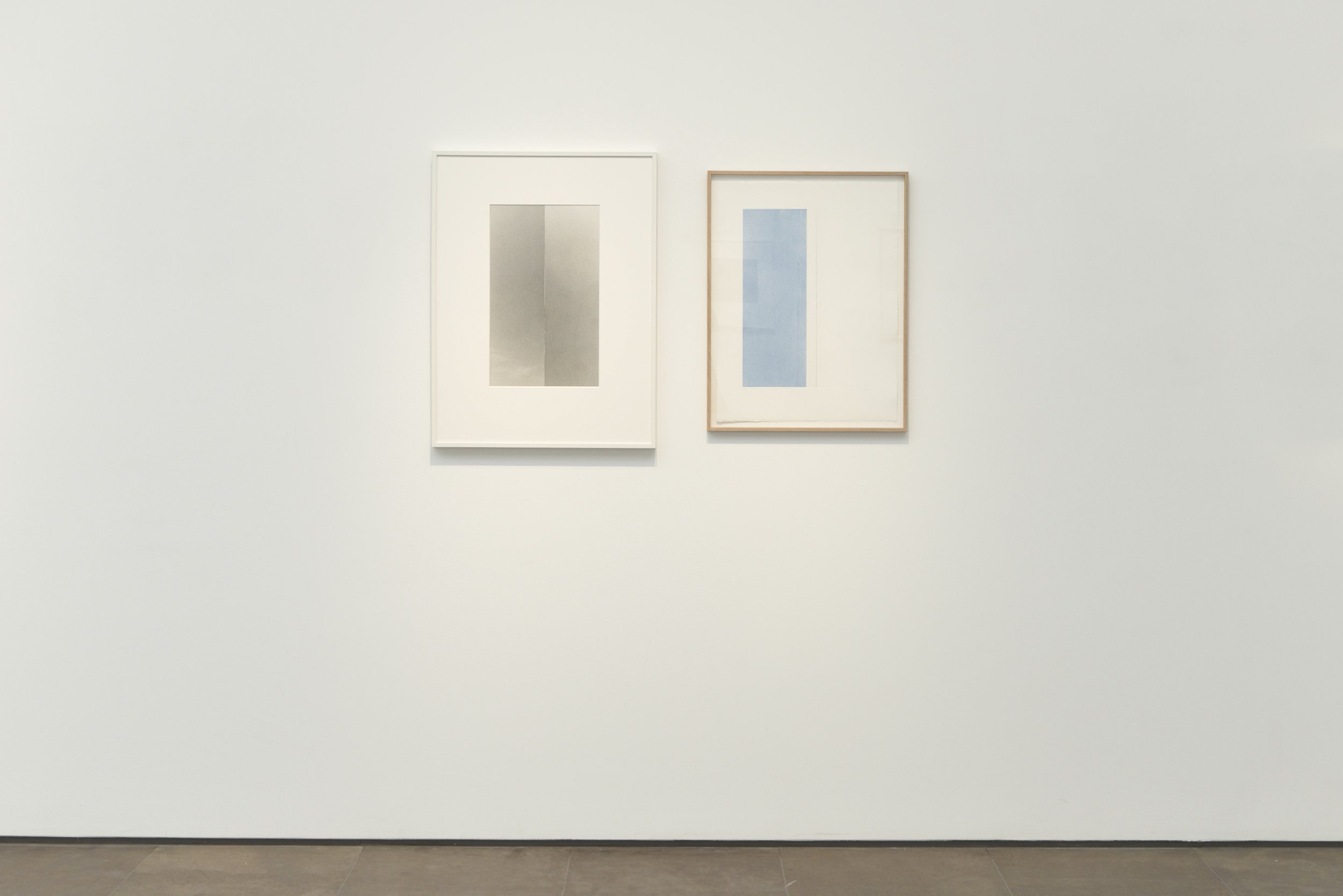
In both Asse’s and Hedel’s work, the subtle balance between difference and repetition of the motif gives rise to a form of visual meditation. Since the gradual development of an abstract vocabulary in the 1950s, Geneviève Asse has constructed her oeuvre from simple, repeated—generally geometric—forms, dominated by a verticality that is never imposing, but instead animated by a rhythm, a breathing: that line of light which splits the image and opens it onto infinity. While she made little use of series in the strict sense (except perhaps in her oil-painted notebooks), the artist created numerous diptychs, playing on the tension born from confrontations between planes of color and black lines on white, as well as on the reliefs produced by the juxtaposition of printing plates.
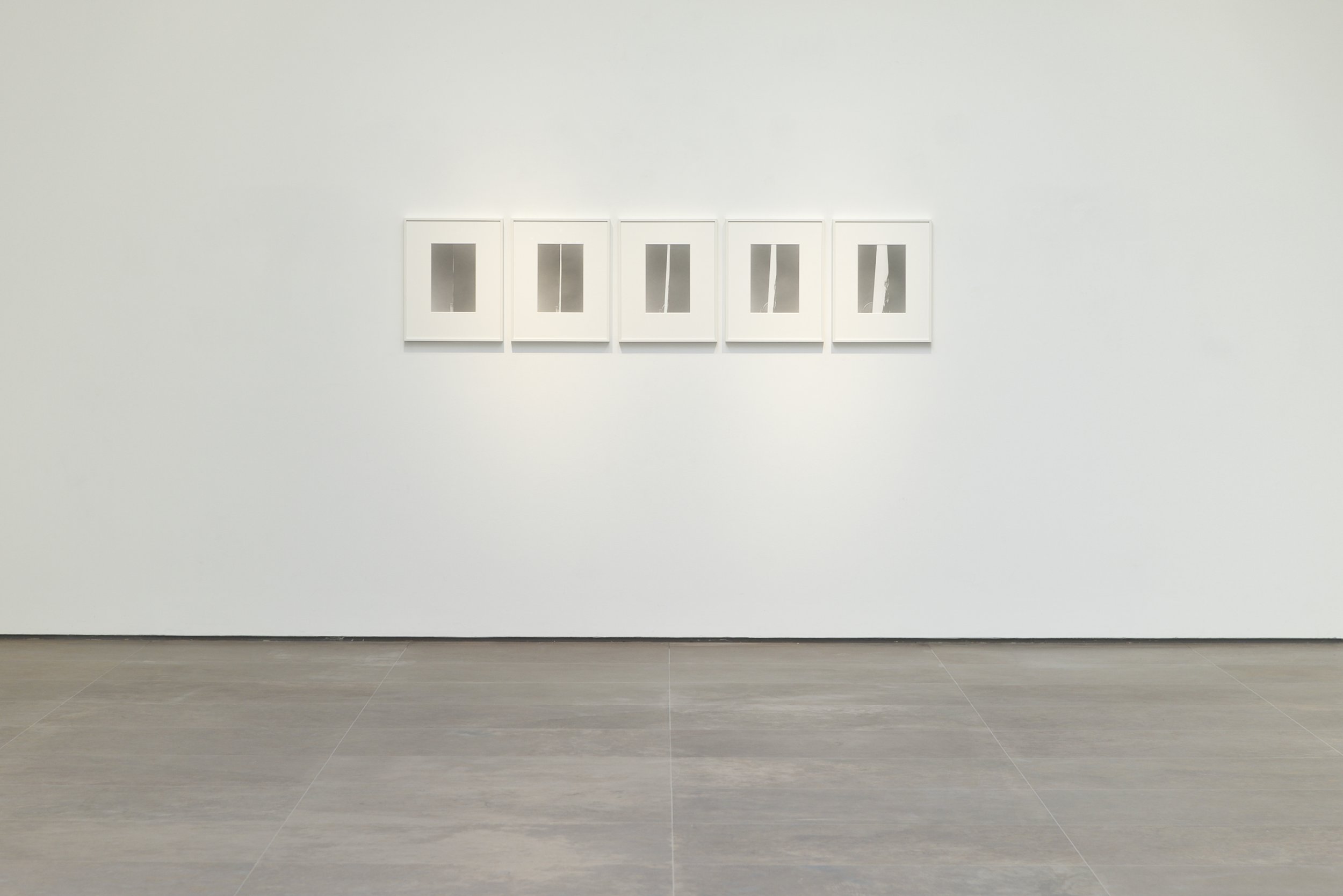
In Hedel’s work, although the image fractures at the moment of capture, it also reveals itself as a “monad,” a minimal unit reflecting a whole that unfolds in the musicality of a series. Photography becomes processual, stretched between time and space: in the diptychs or in the Montessuy–Summer series, variations in light modulate the phrasing of the image like notes on a musical score.
The works of the two artists finally converge around the question of monochrome. While Hedel works in black and white, it is important to emphasize that grey is truly his color. These ranges of half-tones, softening forms, constitute the very substance of the image, its binding agent. In this sense, grey is metamorphic: powdery, it evokes charcoal; delicately blended, pencil; when washed, watercolor.
Since the 1970s, the color blue has predominated in Asse’s painting, to the point of being presented as one of the defining characteristics of her work. This very personal blue, which she described as “a mixture of greys and other blues,” came to be known as Asse blue. Because it “also transforms itself,” the artist explained, it does not confine, but on the contrary brings remarkable dynamism to her rigorous compositions. “I travel with my blues, where I rediscover transparency. There are crystalline blues, pearly blues, and blues for blue’s sake: ultramarine, cobalt. These are ranges I handle with joy. I am at one with this color.”
Text by Héloïse Conésa and Cécile Pocheau-Lesteven
(Curators at the Bibliothèque nationale de France - BnF)